

A kakukkfű illóolaját gőzdesztillációval nyerik ki a Thymus vulgaris növény leveleiből és virágzó hajtásaiból — egy alacsony termetű, évelő növényből, amely a Földközi-tenger déli részén őshonos, és ahol évszázadok óta alakítja az olasz, francia és spanyol konyha kulináris hagyományait. A konyhán túl a, kakukkfű ugyanolyan hosszú történelemmel rendelkezik gyógynövényként is. Illóolaja a növény gyógyító hatóanyagainak koncentrátumát tartalmazza, amely hatékony és sokoldalú formában az aromaterápiában, a természetes kozmetikumokban és az otthoni wellness-rutinokban is elismert helyet vívott ki magának. Fájdalomcsillapító és fertőtlenítő tulajdonságai miatt régóta alapvető összetevője a köhögésszirupoknak és a torokcukorkáknak – ezt a felhasználást a modern fitoterápiás kutatások is alátámasztják.
Kakukkfű illóolaj: Főbb tulajdonságok
A kakukkfű illóolaj széles körű antimikrobiális hatása elsősorban két vegyületnek köszönhető: a timolnak és a karvakrolnak — ezek a fenolos alkotóelemek a leghatásosabb, természetben előforduló antibakteriális szerek közé tartoznak. Különösen a timolt tanulmányozták széles körben, és bebizonyosodott, hogy hatékony számos gyakori baktériumtörzs ellen,, beleértve azokat is, amelyek rezisztenciát fejlesztettek ki a hagyományos antibiotikumokkal szemben. Ezért írják le a kakukkfűolajat néha elsőrendű természetes fertőtlenítőként,, és ezért is játszik továbbra is kiemelt szerepet a természetes gyógyászatban. A timol és a karvakrol mellett a kakukkfű illóolaj terpéneket is tartalmaz, köztük p-cimént és gamma-terpinént, amelyek hozzájárulnak gyulladáscsökkentő és antioxidáns hatásaihoz. Együttesen az olaj antibakteriális, gombaellenes, vírusellenes, gyulladáscsökkentő, köhögéscsillapító, görcsoldó és fájdalomcsillapító tulajdonságokat biztosít számos alkalmazási területen.-gyulladáscsökkentő, köhögéscsillapító, görcsoldó és fájdalomcsillapító tulajdonságokkal rendelkezik számos alkalmazási területen. Fedezze fel a kakukkfüvet más gyógyító olajokkal együtt a illóolaj-egyedi kollekciónkban.


Naturalne Aromaty
Naturalne Aromaty Illóolaj kakukkfű - 10 ml
Eredeti ár 769 FtEgységár641 Ft /10ml


Légúti egészség és antimikrobiális támogatás
A kakukkfű gyógyászati történelmében legmélyebben gyökerező – és a kutatások által legerőteljesebben alátámasztott – alkalmazása a légúti egészségben betöltött szerepe. Gőz vagy diffúzió útján belélegzve a timolban gazdag kakukkfűolaj köhögéscsillapítóként hat, fellazítja a nyálkát és megkönnyíti annak eltávolítását a hörgőkből és a melléküregekből. Görcsoldó tulajdonságai segítenek enyhíteni a tartós köhögést a hörgő simaizomzatának ellazításával. Ugyanakkor erős antibakteriális hatása miatt hatékony a felső légutak bakteriális kórokozóival szemben — támogatva a szervezet természetes védekezését a torok, az orrmelléküregek, a hörgők és a tüdő fertőzései ellen. A kakukkfűolajjal végzett gőzinhalációk különösen hatékonyak az akut légúti tünetek esetén: 3–4 csepp egy tál forró vízben, amelyet egy törülköző alatt 5–10 percig belélegeznek, közvetlen antimikrobiális és köhögéscsillapító hatást fejt ki ott, ahol arra a legnagyobb szükség van. A lakóterületen elterjesztve a, kakukkfűolaj szintén segít csökkenteni a levegőben terjedő baktériumok és vírusok mennyiségét — ami jelentős előny zárt környezetben a megfázás és az influenza szezonban. Gargalizáláshoz, egy nagyon híg oldat meleg vízben ((maximum 1–2 csepp egy teljes pohárban)) támogathatja a torok r Ecover y egészségét és csökkentheti a szájüregi baktériumok számát. Kiegészítse az aromaterápiát célzott kiegészítőkkel a légzőrendszer-kollekciónkból.
Bőrápolás: az aknétól a sebgyógyulásig
A kakukkfű illóolaj az egyik legérdekesebb klinikai lehetőség az aknéra hajlamos és problémás bőr számára. Timol-tartalma jelentős antibakteriális hatást fejt ki a Cu TiB acterium acnes ((korábban P. acnes)) ellen — az akne elsődleges bakteriális kiváltója — ellen, míg gyulladáscsökkentő tulajdonságai segítenek csökkenteni az aktív elváltozások vörösségét és duzzanatát. A kakukkfű-készítményeket a benzil-peroxiddal (— egy gyakori gyógyszeres aknekezeléssel) — összehasonlító tanulmányok kimutatták, hogy azok hasonló TiB antibakteriális hatékonysággal, rendelkeznek, de jelentősen kevesebb bőrirritációt okoznak.
Az akne mellett, a kakukkfűolaj segít megelőzni a bőrfertőzések terjedését, támogatja a sebgyógyulást, és csökkenti a hegesedés kockázatát azáltal, hogy tisztán tartja a gyógyuló bőrt és szabályozza a gyulladást. Gombás megbetegedések, például körömfertőzések vagy bőr-candidiasis esetén gombaellenes hatása természetes kiegészítő kezelést nyújt. Helyileg alkalmazva tonizálja és tisztítja a zsíros bőrt, segítve a faggyútermelés szabályozását és a bőr egyensúlyának helyreállítását. Minden helyi alkalmazáshoz megfelelő hígítás szükséges — a hígítatlan kakukkfűolaj az erősebb illóolajok közé tartozik, és jelentős irritációt okozhat.
Fejbőr és haj egészség
A kakukkfű illóolaj elismert összetevő a természetes hajápolásban, különösen a fejbőrrel kapcsolatos problémák esetén. Baktérium- és gombaellenes tulajdonságai közvetlenül hatnak a mikrobiális egyensúlyhiányra, amely a korpásodást, a seborrhoeás dermatitist, a fejbőr gyulladását és a fejbőr zsírosságát okozza, míg a helyi vérkeringést serkentő képessége támogatja a szőrtüszők aktivitását, és segíthet csökkenteni a túlzott hajhullás csökkentésében. A hordozóanyagban hígított kakukkfűolajjal végzett rendszeres fejbőrmasszázs idővel táplálja a szőrtüszőket és erősíti a hajszálakat.
Az alopecia areata – a foltos hajhullás egyik formája – kontrollált vizsgálata során kiderült, hogy a kakukkfű,-et is tartalmazó illóolaj-keverék napi fejbőrmasszázs, során történő alkalmazása mérhető javulást eredményezett a haj újranövekedésében, összehasonlítva a hordozóolaj önmagában történő használatával. Bár ez nem bizonyítja, hogy a kakukkfűolaj minden formájú hajhullást visszafordít, alátámasztja azonban, hogy rendszeres használat mellett hatékony eszköz a fejbőr egészségének megőrzésében. 3–5 csepp hozzáadása egy evőkanál jojoba- vagy édesmandulaolajhoz, majd heti 2–3 alkalommal a fejbőrbe masszírozása egyszerű, és kevés erőfeszítést igénylő rutin.
Emésztéstámogatás és aromaterápia
A kakukkfű illóolaj görcsoldó tulajdonságai kiterjednek az emésztőrendszerre, ahol enyhítheti a bélgörcsöket, a puffadást, és a lassú emésztést, ha hígított formában alkalmazzák gyengéd hasi masszázshoz vagy aromaterápiás inhalációhoz. Úgy gondolják, hogy serkenti az epekiválasztást és támogatja az egészséges májfunkciót — ami tükrözi a kakukkfű hagyományos használatát emésztést elősegítő tonikként a mediterrán gyógynövénygyógyászatban.
Az aromaterápiában, az olaj friss,, fűszeres,, enyhén éles illata stimuláló hatással van az idegrendszerre — csökkenti a mentális fáradtságot,, javítja a hangulatot,, és enyhíti a stresszel járó fizikai feszültséget. A nyugtatóbb olajokkal ellentétben a kakukkfű nappali használatra alkalmasabb: elősegíti az éberséget és a mentális tisztaságot anélkül, hogy izgatottságot okozna. A munkahelyen vagy a dolgozószobában diffúzálva elősegíti a fókuszálást és a koncentrációt. Esténként levendulával vagy bergamottal kombinálva a stimuláló hatás lágyul, és egy kiegyensúlyozottabb, nyugtató élményt nyújt. Fedezze fel aromaterápiás kollekciónkat diffúzorokhoz és keverőeszközökhöz.
Hogyan keverjük és használjuk a kakukkfű illóolajat
A kakukkfű illóolaj egy középső illatjegy, erős, gyógynövényes-gyógyászati jelleggel, amely jól illeszkedik mind a könnyebb citrusolajokhoz, mind a nehezebb fás alapjegyekhez:
- Levendulával és bergamottal — a kakukkfű élessége lágyul, és egy kiegyensúlyozott, nyugtató keverékké válik, amely fürdőhöz vagy esti diffúzióhoz alkalmas.
- Rozmaringgal és eukaliptusszal — erőteljes, antimikrobiális légúti kombináció; ideális gőz inhalációhoz vagy betegszobai diffúzióhoz.
- Citrommal, grapefruit, vagy narancs — egy élénk, friss és energizáló keverék nappali diffúzióhoz és a koncentráció támogatásához.
- Cédrusfával vagy gerániummal — földelő és bőrápoló; jól alkalmazható helyi keverékekben a fejbőr ápolásához vagy az aknéra hajlamos bőr kezeléséhez.
A kakukkfű erőssége miatt, mindig inkább kevesebbet használjon, mint többet — 1%-os hígítás megfelelő a legtöbb bőrápolási alkalmazáshoz, különösen az arcon. Diffúzióhoz, elegendő 2–3 csepp egy standard diffúzorban; a kakukkfű aromája erős és jól terjed. Fejbőr- és hajkezelésekhez, keverje össze a fent leírtak szerint, és használja egy könnyű hordozóolajjal. Az olaj kizárólag külső használatra és belélegzésre szolgál — nem lenyelésre.
 31% kedvezmény
Salvum
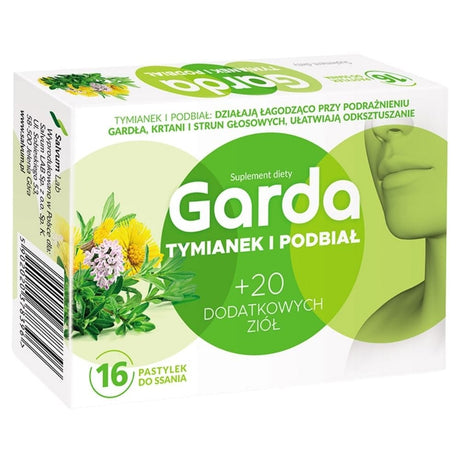
Garda Kakukkfű és martilapu - 16 pasztilla
Akciós ár 771 Ft Eredeti ár 1.119 FtEgységár48 Ft termékenként
Ez a cikk csak tájékoztató jellegű, és nem helyettesíti az orvosi tanácsot. Egészségügyi panasz, terhesség, szoptatás vagy gyógyszerszedés esetén kérje orvos vagy gyógyszerész tanácsát. Az étrend-kiegészítők nem helyettesítik a változatos étrendet.


