

A szabad gyökök az élet elkerülhetetlen melléktermékei. Valahányszor a szervezet oxigént alakít át energiává, olyan molekulák keletkeznek, amelyek károsíthatják a sejtmembránokat, a DNS-t és a fehérjéket. Külső tényezők – cigarettafüst, UV-sugárzás, légszennyezés, sült vagy grillezett ételek, krónikus stressz – drámai módon felgyorsítják ezt a folyamatot. A szervezet válasza erre az állandó fenyegetésre a antioxidánsok: olyan vegyületek, amelyek semlegesítik a szabad gyököket, mielőtt azok maradandó károsodást okoznának. Az antioxidánsok megértése, hol találhatók meg, és mikor kell kiegészíteni őket, az egyik legpraktikusabb dolog, amit tehet a hosszú távú egészség érdekében.
Mik az antioxidánsok és hogyan működnek?
Az antioxidánsok — más néven szabadgyök-elnyelők — egy széles körű kémiai vegyületcsoport, amelynek közös funkciója az, hogy semlegesítse a szabad gyököket azáltal, hogy egy elektront ad át a UNS táblázat oxigénmolekuláinak, így azok kémiailag inerttá válnak, és biztonságosan kiürülhetnek a szervezetből. Az általuk kezelendő alapvető probléma az úgynevezett oxidatív stressz: egy egyensúlyhiányos állapot, amelyben a szabad gyökök termelődése meghaladja a szervezet antioxidáns védekező képességét.
A hosszan tartó oxidatív stressz károsítja a sejtszerkezeteket, és hozzájárul a szív- és érrendszeri betegségek, a 2-es típusú cukorbetegség, a neurodegeneratív állapotok, a gyorsított bőröregedés és bizonyos rákos megbetegedések kialakulásához. A megfelelő antioxidáns-bevitelt fenntartva – étrend és célzott kiegészítők révén – támogatja szervezetének azon képességét, hogy kontrollálja ezt a károsodást és megvédje az egészséges szöveteket. Fedezze fel a antioxidáns-kiegészítők gyűjteményünket a rendelkezésre álló lehetőségek teljes áttekintéséhez.
Az antioxidánsok fő típusai
Az antioxidánsok két nagy kategóriába sorolhatók: természetes és szintetikus. A természetes antioxidánsok azok, amelyek relevánsak a kiegészítők és az étrendi választások szempontjából. Ide tartoznak:
- Vitaminok — elsősorban a C-, E-, és A-(vitaminok, valamint a béta-karotin)
- Ásványi anyagok — szelén, cink, mangán, és réz, amelyek az antioxidáns enzimek
- kofaktoraként működnek Polifenolok — beleértve a flavonoidokat, a kvercetint, és a resveratrolt, amelyek bőségesen megtalálhatók a növényi eredetű élelmiszerekben
- Karotinoidok — béta-karotin, likopin, lutein, zeaxantin, és asztaxantin
- Endogén antioxidánsok — glutation, koenzim Q10, és alfa-liponsav, amelyeket a szervezet termel, de kiegészítők formájában is kaphatók
- NAC (N-acetil-cisztein) — a glutation, előanyaga, a szervezet fő antioxidánsa
Fő antioxidáns vitaminok és ásványi anyagok
A C-vitamin vízbenoldható, ami azt jelenti, hogy a felesleg nem raktározódik, hanem kiválasztódik, így a toxicitás valószínűtlen. Ez az egyik legszélesebb körben tanulmányozott antioxidáns, amelynek jól ismert szerepe van az immunfunkciókban és a kollagén szintézisben. Jó étrendi forrásai közé tartoznak a citrusfélék, a paprika, a káposzta, és az eper — bár a kiegészítés gyakran indokolt, tekintve, hogy a stressz és a betegségek milyen gyorsan kimerítik a C-vitamin készleteket. A C-vitamin-kollekciónk különböző adagolási formákat és formátumokat kínál, beleértve a liposzomális, pufferolt, és rágható változatokat.
Az E-vitamin zsírban oldódik, és kifejezetten a lipidmembránokban, hat, megvédve azokat az oxidatív károsodástól. Megtalálható a diófélékben, a tojásban és a növényi olajokban. A béta-karotinból előállított A-vitamin egy másik zsírban oldódó antioxidáns, amely támogatja a szem egészségét, a bőr integritását és az immunrendszer védekező képességét. A kész A-vitaminnal (retinol) ellentétben a béta-karotint a szervezet csak szükség szerint alakítja át, így ez egy biztonságosabb kiegészítő formája. A szelén egy nyomelem, amely elengedhetetlen a glutation-peroxidáz, – a szervezet egyik legfontosabb antioxidáns enzimje – működéséhez. Még az enyhe szelénhiány is jelentősen ronthatja az antioxidáns kapacitást.


Now Foods
Now Foods C-1000-vitamin csipkebogyóval és bioflavonoidokkal – 100 tabletta
Eredeti ár 3.979 FtEgységár40 Ft termékenként


Aliness
Aliness L-glutation redukált 500 mg - 100 növényi kapszula
Eredeti ár 10.399 FtEgységár104 Ft termékenként
Now Foods
Now Foods Glutation 500 mg - 60 vegetáriánus kapszula
Eredeti ár 10.809 FtEgységár180 Ft termékenként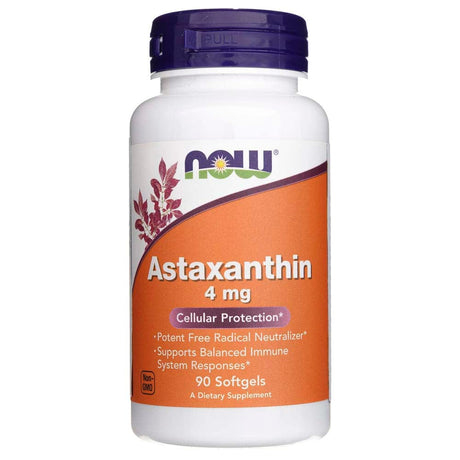
Now Foods
Now Foods Asztaxantin 4 mg - 90 lágykapszula
Eredeti ár 10.239 FtEgységár114 Ft termékenként


Now Foods
Now Foods CoQ10 60 mg - 60 növényi kapszula
Eredeti ár 5.159 FtEgységár86 Ft termékenként


Polifenolok, Karotinoidok és fejlett antioxidánsok
A kvercetin az egyik leggyakrabban előforduló étrendi flavonoid, amely hagymában, kapribogyóban, és almában található. A kutatások szerint antioxidáns hatása mellett gyulladáscsökkentő és vírusellenes tulajdonságokkal is rendelkezik. A resveratrol, amely a vörös szőlő héjában és a vörösborban található, széles körben tanulmányozták a szervezetben a hosszú élettartammal kapcsolatos folyamatok aktiválására gyakorolt hatása miatt. Az asztaxantin — egy mikroalgák által termelt ketokarotinoid — a természet egyik leghatásosabb antioxidánsának számít, amelynek oxigénradikál-elnyelő képessége ((ORAC)) messze meghaladja a legtöbb vitaminét. Az alfa-liponsav abban az értelemben egyedülálló, hogy vízben és zsírban egyaránt oldódik, ami lehetővé teszi számára, hogy a szervezet gyakorlatilag minden szövetében működjön. Emellett regenerálja más antioxidánsokat – beleértve a C- és E-vitamint is – azok oxidációja után. A Pycnogenol, a francia tengerparti fenyő kéregének standardizált kivonata, gazdag procianidinokban, és szív- és érrendszeri, bőr- és kognitív egészségügyi alkalmazásait tanulmányozták. Mindezeket megtalálja a vitaminok és kiegészítők gyűjteményünkben.
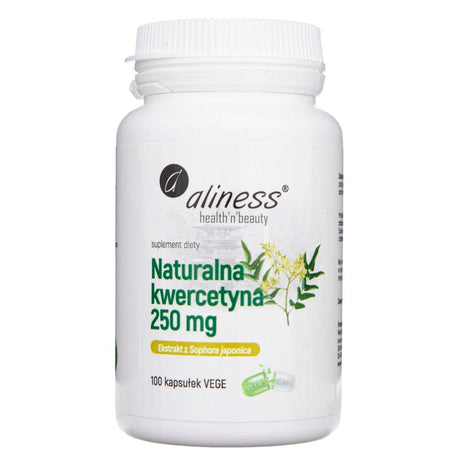


Aliness
Aliness Természetes kvercetin 250 mg - 100 vegetáriánus kapszula
Eredeti ár 6.419 FtEgységár64 Ft termékenként


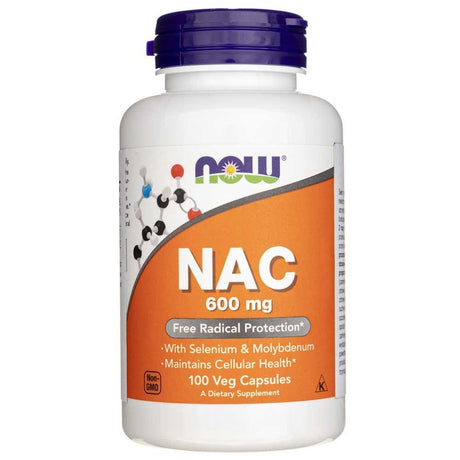
Now Foods
Now Foods NAC N-acetil-cisztein 600 mg - 100 növényi kapszula
Eredeti ár 5.929 FtEgységár59 Ft termékenként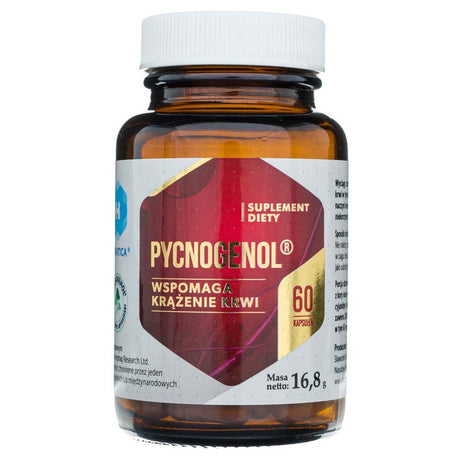


Hol találhatók antioxidánsok az ételekben
Grammonként, a szárított fűszerek rendelkeznek a legmagasabb antioxidáns-tartalommal az összes élelmiszer-kategória közül — az oregánó, a kakukkfű, a fahéj, a kurkuma, és a szegfűszeg különösen gazdagok. A gyümölcsök közül, a mély színű fajták tartalmaznak általában a legtöbb polifenolt: az arónia (, a fekete berkenye), a bodza, a szeder, és az áfonya kiemelkedőek. A vörösbor, a sötét csokoládé, a zöld tea és a dió az európai fogyasztók számára a legismertebb étrendi források. A zöldségek közül a cékla, a vörös káposzta, a brokkoli, a spenót és a vörösbab jelentősen hozzájárulnak a polifenolbevitelhez. A változatos, növényi alapú étrend továbbra is a legjobb alapot jelenti – a kiegészítők pedig pótolják azokat a hiányosságokat, ahol az étrendi bevitel nem elegendő.
Mikor érdemes antioxidáns kiegészítőket szedni?
Az antioxidáns-kiegészítés jótékony hatásának legegyértelműbb jelei közé tartozik a tartós fáradtság, a gyakori fertőzések, a fejfájás, az ízületi fájdalom, a bőrgyulladás, és a rossz sebgyógyulás — mindez a megnövekedett oxidatív stressz lehetséges jele. Az oxidatív stressz markereit és az antioxidáns kapacitást mérő vérvizsgálat objektívebb iránymutatást adhat. Azok, akik dohányoznak, szennyezett környezetben élnek, intenzíven edzenek, vagy szigorú diétát követnek, nagyobb kockázatnak vannak kitéve az antioxidánsok kimerülésére, és ők profitálhatnak leginkább a kiegészítésből. A bőrre fókuszáló antioxidánsok — különösen a C- és E-vitamin, a CoQ10, és az asztaxantin — körülbelül 25 éves kortól, válnak relevánssá, amikor a kollagénszintézis lelassulni kezd, és az UV-sugárzás által kiváltott oxidatív károsodás felhalmozódni kezd a bőrszövetben.
Ez a cikk csak tájékoztató jellegű, és nem helyettesíti az orvosi tanácsot. Egészségügyi panasz, terhesség, szoptatás vagy gyógyszerszedés esetén kérje orvos vagy gyógyszerész tanácsát. Az étrend-kiegészítők nem helyettesítik a változatos étrendet.


