

A hidegen sajtolt máriatövis-olajat évszázadok óta használják a Földközi-tenger térségében,, ahol a Silybum marianum növény vadon terem. Toda y Európa-szerte az egészségtudatos fogyasztók nemcsak májvédő hatása miatt ismerik el, hanem gazdag zsírsav-összetétele és sokoldalú felhasználási lehetőségei miatt is – a konyhai asztaltól a napi wellness-rutinig. Ha azon tűnődik, hogy a máriatövisolaj megérdemli-e a helyét az étrendjében, ez az útmutató minden szükséges információt tartalmaz.
Mi az a máriatövisolaj?
A máriatövisolajat a máriatövis növény magjainak hidegpréselésével nyerik ki, ez egy egynyári gyógynövény, amely a Földközi-tenger térségéből származik, és Európa nagy részén honosodott meg. A hidegpréselés megőrzi az olaj természetes összetevőit hő vagy kémiai oldószerek használata nélkül, ezért a minőségi hidegen sajtolt változatokat táplálkozási szempontból jobbnak tartják a finomított alternatíváknál. A kapott olaj aranysárga színű, enyhén diós ízű és jellegzetes, finom illatú. A növény maga – amely leginkább a levelein található fehér erezetű mintázatról ismerhető fel – hosszú történelemmel rendelkezik a hagyományos gyógynövénygyógyászatban. Magjait és olaját az európai gyógynövénygyógyászatban már több mint kétezer éve dokumentálják a máj és az emésztőrendszer támogatására.
Összetétel: Mi teszi értékessé a máriatövis olajat?
A máriatövis olaj tápértéke elsősorban zsírsavtartalmából származik. Az olaj rendkívül gazdag linolsavban (omega-6), amely általában az összetételének 55–65%-át teszi ki, ezt követi az olajsav (omega-9) és kisebb mennyiségben egyéb zsírsavak. Ezért jelentősen hozzájárul az esszenciális többszörösen telítetlen zsírsavak étrendbeli beviteléhez, amelyeket a szervezet önmagában nem tud előállítani.
A zsírsavakon túl a hidegen sajtolt máriatövisolaj E-vitamint (tokoferolokat), fitoszterineket, és különböző flavonoid vegyületeket tartalmaz. A máriatövis növényhez kapcsolódó, leginkább kutatott bioaktív vegyület a szilimarin — egy flavonolignanokból álló csoport, amely a maglisztben és a standardizált kivonatokban található meg a legmagasabb koncentrációban. Míg a hidegen sajtolt teljes olaj megőrzi ezeknek a növényi vegyületeknek egy részét, a speciális máriatövis-magkivonatok és kapszulák jelentősen koncentráltabb szilimarin-szintet biztosítanak. Azok számára, akik a szilimarinon keresztül célzott májtámogatást keresnek, az olaj és egy standardizált kiegészítő kombinálása jelentheti a legátfogóbb megoldást.
Egészségügyi előnyök és hagyományos felhasználás
Máj- és emésztőrendszer-támogatás
A máriatövis az európai gyógynövények közül az egyik legjobban dokumentált hagyományos hírnévvel rendelkezik a máj egészségének támogatásában. A kutatások szerint a növényben található szilimarin vegyületek segíthetnek a májsejtek normális működésének fenntartásában és a szervezet természetes méregtelenítési folyamataiban. Az olajat hagyományosan azoknak ajánlják, akiknek a mája mindennapi terhelésnek van kitéve – például azoknak, akik rendszeresen fogyasztanak alkoholt, magas zsírtartalmú étrendet követnek, vagy környezeti szennyező anyagoknak vannak kitéve. Az emésztőrendszer szélesebb körű támogatásához, fedezze fel emésztőrendszer-kiegészítőinket, amelyek széles termékválasztékot kínálnak a májbarát életmód kiegészítéséhez.
A hagyományos európai gyógynövénygyógyászatban, a máriatövis készítményeket a normális epeáramlás támogatására is használják, amely központi szerepet játszik a zsír emésztésében és a zsírban oldódó tápanyagok felszívódásában. Azok számára, akik szélesebb körű, növényi alapú tisztító támogatást keresnek, a méregtelenítő és tisztító kollekciónk is hasznos kiindulási pont lehet.
Szív- és érrendszeri egészség
A máriatövisolaj magas linolsav-(omega-6-) tartalma hozzájárul a kiegyensúlyozott zsírsavbevitelhez, ami változatos étrend részeként fogyasztva a normális szív- és érrendszeri működéssel társul. Az olaj fitoszteroljai és tokoferoljai emellett támogathatják az egészséges koleszterinszintet. Mint bármely étkezési olaj esetében, a máriatövis olajat is mértékkel kell fogyasztani, a szív egészségét elősegítő étrend részeként.
[figyelem: A máriatövisolaj kölcsönhatásba léphet bizonyos gyógyszerekkel, beleértve az antikoagulánsokat (, a véralvadásgátlókat), a hormonális fogamzásgátlókat, és az antipszichotikus gyógyszereket. Ha bármilyen vényköteles gyógyszert szed,, konzultáljon orvosával vagy gyógyszerészével, mielőtt a máriatövis olajat vagy máriatövis-kiegészítőket beépítené napi rutinjába. A hormonérzékeny állapotban szenvedő embereknek is először orvosi tanácsot kell kérniük.]Bőr, Haj- és körömápolás
Helyileg alkalmazva vagy étrend-kiegészítőként fogyasztva, a máriatövisolajban található esszenciális zsírsavak és E-vitamin széles körben használatosak a bőr, haj, és köröm állapotának támogatására. Az olaj antioxidáns összetevői segíthetnek megvédeni a bőrsejteket az oxidatív stressztől, gyulladáscsökkentő tulajdonságai pedig népszerűvé tették a száraz, irritált vagy aknéra hajlamos bőrre szánt készítményekben. Helyi alkalmazásként, hordozóolajokkal keverve vagy közvetlenül a hajvégekre felvitt formában is használható, hogy javítsa a haj szerkezetét és fényét.
Hogyan használjuk a máriatövisolajat a konyhában
A legtöbb hidegen sajtolt olajhoz hasonlóan, a máriatövisolajat is leginkább melegítés nélkül érdemes használni, hogy megőrizze jótékony összetevőit. Jól illik salátákra, nyers zöldségételekre, főtt gabonafélékre, például hajdinára vagy rizsre, valamint nyílt szendvicsekre csepegtetve. Smoothie-kba is keverhető, vagy kanállal közvetlenül is fogyasztható. Mivel a hő lebontja a finom zsírsavakat és antioxidánsokat, a, máriatövisolajat nem szabad sütéshez vagy magas hőmérsékletű főzéshez használni. Sötét, hűvös helyen tárold, és a csomagoláson feltüntetett időn belül használd fel – mint a legtöbb finomítatlan olaj, a, is érzékeny a fényre és a levegőre.
Májfűolaj – hidegen sajtolt választék
A Medpaknál, megbízható európai gyártóktól származó hidegen sajtolt májfűolajok széles választékát kínáljuk. Akár egy kisebb, kipróbálásra alkalmas üveget, akár egy nagyobb, mindennapi használatra szánt kiszerelést keres, ezek a gondosan kiválasztott termékek egyszerű megoldást kínálnak a máriatövis beépítésére a napi rutinjába:


 6% kedvezmény
Bilovit
Bilovit hidegen sajtolt bogáncsolaj – 500 ml
Akciós ár 3.535 Ft Eredeti ár 3.759 FtEgységár14.140 Ft /l


Olvita
Olvita Hidegen sajtolt, tisztítatlan bogáncsolaj – 500 ml
Eredeti ár 4.649 FtEgységár9.298 Ft /l


Adagolás és kinek ajánlott
Az étrend-kiegészítőként való használat általános kiindulási pontja napi egy-két teáskanál (körülbelül 5–10 ml), étkezés közben. Ez a mennyiség közvetlenül kiegészítőként vagy öntetként is felhasználható. A kiegyensúlyozott össz-zsírbevitel fenntartása érdekében tanácsos e tartományon belül maradni.
A máriatövisolaj különösen azok számára releváns, akik étrendi eszközökkel szeretnék támogatni a májukat és az emésztőrendszerüket — főleg azok, akik Ecover gazdag étkezés, alkoholfogyasztás, vagy általános életmódbeli stressz időszakát élik át. Azokat is használják, akik több növényi eredetű omega-6 zsírsavat szeretnének bevinni az étrendjükbe, valamint azok, akik természetes kiegészítőt keresnek a bőrápolási vagy hajápolási rutinjukhoz. Enyhe, kissé kesernyés íze jól illik a földes ízű gabonafélékhez és a sült gyökérzöldségekhez.]
Májfű-kiegészítők: Koncentrált szilimarin-támogatás
Azok számára, akiket elsősorban a máriatövis növény májvédő tulajdonságai érdekelnek, a szabványosított kiegészítők koncentráltabb és egyenletesebb szilimarin-adagot biztosítanak, mint az olaj önmagában. A meghatározott szilimarin-százalékra szabványosított kapszulák és kivonatok jól bevált formátumot jelentenek az európai gyógynövény-kiegészítők területén. Böngészheti teljes gyógynövény-kiegészítőink, választékát, beleértve a következő máriatövis-termékeket, amelyek kiegészítik az olaj étrend-kiegészítőként való használatát:


Now Foods
Now Foods Máriatövis kivonat 150 mg szilimarin (120 mg) - 120 vegetáriánus kapszula
Eredeti ár 5.729 FtEgységár48 Ft termékenként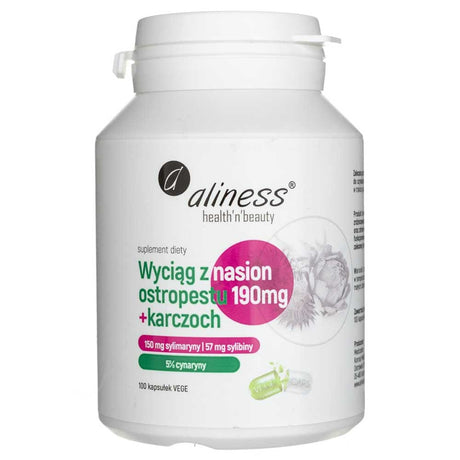


Aliness
Aliness Máriatövis mag kivonat + articsóka - 100 növényi kapszula
Eredeti ár 4.509 FtEgységár45 Ft termékenként


 24% kedvezmény
Vitaler's
Vitaler's Tejfű 350 mg - 60 kapszula
Akciós ár 2.800 Ft Eredeti ár 3.700 FtEgységár47 Ft termékenként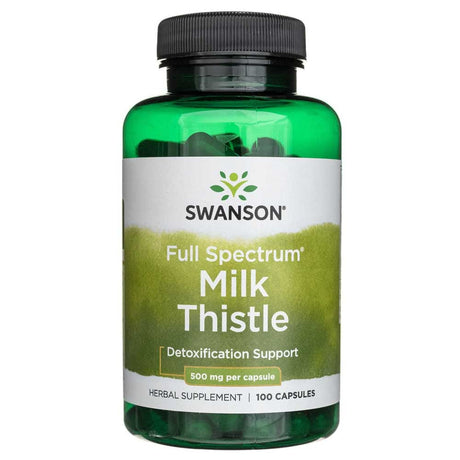


Swanson
Swanson Teljes spektrumú máriatövis 500 mg - 100 kapszula
Eredeti ár 2.119 FtEgységár21 Ft termékenként 16% kedvezmény
Aura Herbals
Aura Herbals Máriatövis 300 mg - 90 kapszula
Akciós ár 3.738 Ft Eredeti ár 4.429 FtEgységár42 Ft termékenként


Ez a cikk csak tájékoztató jellegű, és nem helyettesíti az orvosi tanácsot. Egészségügyi panasz, terhesség, szoptatás vagy gyógyszerszedés esetén kérje orvos vagy gyógyszerész tanácsát. Az étrend-kiegészítők nem helyettesítik a változatos étrendet.


