

A rizs évszázadok óta az ázsiai szépségápolási rituálék alapköve – nem csupán élelmiszerként, hanem hatékony bőrápoló összetevők forrásaként is. A rizsből nyert legváltozatosabb termékek közül a rizsvíz kiemelkedik egyszerűségével, könnyű hozzáférhetőségével, valamint a hajra és a bőrre egyaránt gyakorolt valóban jótékony hatásaival. Alig több, mint rizsből és vízből készült, ez az ősi ázsiai civilizációkból származó hagyományos készítmény megérdemelt helyet kapott a modern természetes szépségápolási rutinokban. Íme, mit is tesz valójában a rizsvíz, hogyan kell otthon helyesen elkészíteni, és hogyan kell használni a maximális hatás elérése érdekében.
Mi az a rizsvíz és mit tartalmaz?
A rizsvíz a rizs áztatásával vagy főzésével keletkező folyadék – egy áttetsző, enyhén tejes folyadék, amely számos vízoldható tápanyagot tartalmaz, amelyek az elkészítés során kiválnak a gabonából. A legfontosabb hatóanyagok a következők:
- Inozitol — a B-vitamin családba tartozó szénhidrát, az inozitol a rizsvíz legjelentősebb, hajápolásra alkalmas hatóanyaga. Kutatások kimutatták, hogy az inozitol behatolhat a hajszál belsejébe, és ott maradhat még öblítés után is, folyamatos szerkezeti támaszt nyújtva és csökkentve a szálak közötti súrlódást.
- B-vitaminok — beleértve a niacint (B3), a pantoténsavat (B5), és a tiamint (B1), amelyek támogatják a sejtek anyagcseréjét, és hozzájárulnak a bőr és a szőrtüszők egészségéhez.
- Ásványi anyagok — magnézium, kálium, foszfor, és cink nyomokban vannak jelen, és támogatják a fejbőr egészségét és a bőr védőfunkcióját.
- Antioxidánsok — beleértve a ferulinsavat és a fitinsavat, amelyek segítenek megvédeni a sejteket az oxidatív stressztől, és hozzájárulnak a rizsvíz bőrfényesítő tulajdonságaihoz.
- Aminosavak és fehérjék — kis peptidek és aminosavak, amelyek ideiglenesen bevonják és megerősítik a haj kutikuláját, valamint támogatják a bőr hidratáltságát.
A fermentált rizsvíz még tovább javítja a tápértékét: a fermentációs folyamat növeli a vitaminok, antioxidánsok, és ásványi anyagok koncentrációját, miközben olyan szerves savakat termel, amelyek csökkentik a pH-értéket — ez pedig fontos tényező a haj kutikulájának sima, zárt állapotának fenntartásában. A kínai Huangluo falu yao női, akik rendkívül hosszú, egészséges hajukról, híresek, generációk óta használják az erjesztett rizsvizet.
Hogyan készítsünk rizsvizet otthon
Három fő elkészítési módszer létezik, amelyek mindegyike kissé eltérő tulajdonságokkal és elkészítési idővel rendelkezik.
1. módszer — Egyszerű áztatás (Hideg elkészítés)
Ez a leggyorsabb és legegyszerűbb módszer, amely enyhe,, enyhén koncentrált rizsvizet eredményez.
- Mérjünk ki fél csésze (körülbelül 100 g) rizst — fehér, barna, vagy jázmin rizs is megfelel, de válasszunk bio rizst a növényvédőszer-maradványok elkerülése érdekében.
- Öblítse le alaposan a rizst hideg folyó víz alatt, hogy eltávolítsa a felületi keményítőt és az esetleges szennyeződéseket.
- Helyezze az öblített rizst egy tiszta tálba, és öntsön rá 2–3 csésze szűrt vagy szénsavas vizet.
- Hagyja szobahőmérsékleten ázni 30 perc és 4 óra között. Minél hosszabb az áztatás, annál több tápanyag szabadul fel.
- Szűrje le a folyadékot egy tiszta edénybe, a rizst pedig dobja ki (, vagy főzze meg és fogyassza el). A rizsvíz készen áll a felhasználásra.
2. módszer — Főtt rizsvíz
A főzés során koncentráltabb folyadék keletkezik, mivel a hő további tápanyagokat szabadít fel a gabonából.
- Főzzük a rizst a szokásos vízmennyiség körülbelül háromszorosában — só hozzáadása nélkül.
- Amint a rizs megfőtt, szűrjük le a főzővizet egy tiszta edénybe.
- Hagyjuk teljesen kihűlni használat előtt. Ez a módszer egy sűrűbb, keményítőtartalmú folyadékot eredményez.
3. módszer — Erjesztett rizsvíz
Az erjesztett rizsvíz hatékonyabb, és ez a módszer áll a legközelebb a hagyományos yao hajápoláshoz. Több időt igényel, de alacsonyabb pH-értékű, tápanyagokban gazdag készítményt eredményez.
- Készítsen rizsvizet az egyszerű áztatási módszerrel.
- Hagyja a leszűrt rizsvizet egy tiszta üvegben szobahőmérsékleten (18–25 °C), fedő alatt, de nem légmentesen lezárva, 24–48 órán át.
- Az erjedés akkor fejeződik be, amikor a víz enyhén savanyú illatot kap – hasonlóan az enyhe joghurthoz vagy a kovászhoz. Ezen a szakaszon már felhasználásra kész.
- Hűtőszekrényben legfeljebb egy hétig tárolható. A fermentált rizsvizet friss vízzel kell hígítani, mielőtt a hajra használná, mivel savtartalma erős lehet.
Rizsvíz a haj számára: Előnyök és használata
Mit tesz a hajjal
A rizsvíz hajra gyakorolt jótékony hatásait mind a hagyományos használat, mind a egyre bővülő kutatási eredmények alátámasztják. A hajra gyakorolt fő hatásai közé tartozik a hajszál megerősítése az inozitolnak köszönhetően, amely helyreállítja és védi a hajszál fehérjeszerkezetét; a hajtörés és a töredezett hajvégek csökkentése; a haj simaságának és fényességének növelése a kutikula rendezettségének javításával; a fejbőr egészségének támogatása gomba- és baktériumölő tulajdonságai révén; valamint a hajnövekedés enyhe serkentése a B-vitaminok szőrtüszőkre gyakorolt hatása révén.
Rizsvíz hajöblítő (Leggyakoribb használat)
A szokásos samponozás és kondicionálás után, öntsön vagy permetezzen rizsvizet egyenletesen a nedves hajra a gyökértől a hajvégekig. Masszírozza be gyengéden a fejbőrbe 2–3 percig, majd hagyja hatni 5–20 percig a hajtípustól függően. A vékonyabb hajnak rövidebb hatási idő kedvezőbb. Öblítse le hideg vagy langyos vízzel. Használja hetente 1–2 alkalommal. Ez a leghatékonyabb módszer a haj erősítésére és a fényesség növelésére.
Rizsvíz hajpakolás
Mélyebb kondicionáló kezeléshez, keverje össze a rizsvizet 1 evőkanál mézzel és 1 evőkanál könnyű hordozóolajjal (– argán, kamélia, vagy kókuszolaj száraz haj esetén; a rizskorpaolaj különösen jól működik az összetevők szinergiája miatt). Vigye fel a tiszta, nedves hajra a haj közepétől a hajvégekig, kerülve a hajgyökereket, ha a fejbőr zsíros. Hagyja hatni 20–30 percig zuhanysapka alatt, majd alaposan öblítse le. Használja hetente egyszer regeneráló kezelésként száraz,, sérült, vagy festett hajra.
Rizsvíz hajpermet
Töltsön friss rizsvizet egy tiszta spray-palackba, és használja hajmosás között nedves vagy száraz hajra, kimosás nélkül. Finoman permetezze a haj hosszára és a hajvégekre – öblítésre nincs szükség. A spray folyamatosan inozitolt juttat a hajszálakba, és segít a szálkásodás és a szálak szétrepülésének kezelésében. Tartsa a flakont hűtőben, és 5 nap után cserélje ki a tartalmát.
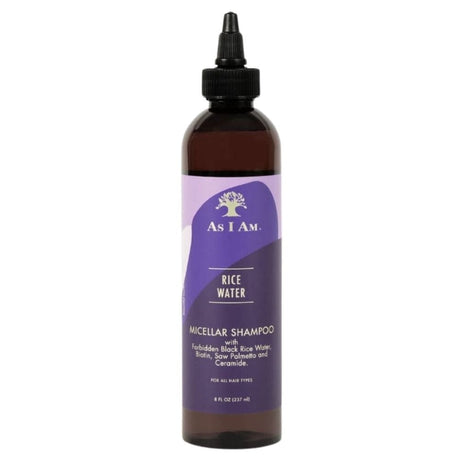
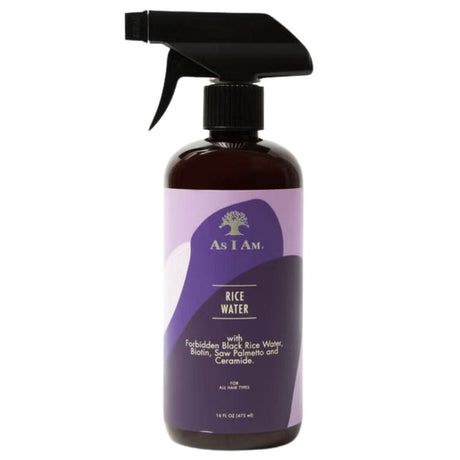

As I Am
As I Am Rice Water Strengthening Hair Spray - 475 ml
Eredeti ár 4.149 FtEgységár8.735 Ft /l

Rizsvíz az arcra: Előnyök és használata
A K-Beauty és a hagyományos ázsiai bőrápolásban, a rizsből nyert készítményeket régóta használják bőrfényesítő tonikokként, gyengéd hámlasztóként, és hidratáló kezelésekhez. Ugyanazok az antioxidánsok, amelyek a rizsvíznek hajerősítő tulajdonságait adják, hatékony bőrápoló összetevővé is teszik.
- Hidratálás — a rizsvíz aminosav- és ásványianyag-tartalma támogatja a bőr nedvességmegtartó képességét; a bőrápolási rutin első, hidratáló lépéseként használható, tisztítás után, nedves bőrre felvitt formában.
- Fényesítés — a rizsvízben található ferulinsav és egyéb antioxidánsok rendszeres használat mellett segíthetnek a pigmentáció halványításában és a bőr tónusának kiegyenlítésében, így azok számára is kíméletes fényesítő megoldás, akiknek az erősebb savak túl irritálóak.
- Pórusszűkítő és faggyúszabályozó hatás — a rizskeményítő természetes összehúzó tulajdonságai ideiglenesen szűkíthetik a pórusokat és csökkenthetik a felesleges zsírosságot, így a rizsvíz különösen hasznos tonikként zsíros és kombinált bőrtípusok számára.
- Nyugtató és gyulladáscsökkentő — a rizsvíz segíthet enyhíteni a bőrpírt és az irritációt, így alkalmas hámlasztás után vagy érzékeny,, reakcióra hajlamos bőrre.
- Sima textúra — rendszeres használat mellett, a rizsvíz enzimvegyületeinek enyhe hámlasztó hatása hozzájárul a bőr textúrájának javulásához és a finom ráncok megjelenésének csökkentéséhez.
Arc tonikként
Vigyen fel hideg rizsvizet a megtisztított bőrre vattapamaccsal vagy a kezével, és gyengéden nyomkodja be a bőrbe. Hagyja beszívódni, mielőtt szérumokat és hidratálót alkalmazna. Használja reggel és este, vagy önálló hidratáló lépésként. Ha érzékeny a bőre, először végezzen bőrpróbát a kar belső részén.
Arcpakolásként
Keverjen össze rizsvizet egy kis mennyiségű rizslisztel vagy zabpehellyel, hogy paszta állagú keveréket kapjon. Vigye fel a megtisztított bőrre, hagyja hatni 10–15 percig, majd öblítse le hideg vízzel. Ez a készítmény gyengéd fizikai és enzimatikus hámlasztást biztosít a víz hidratáló és ragyogást adó hatása mellett.

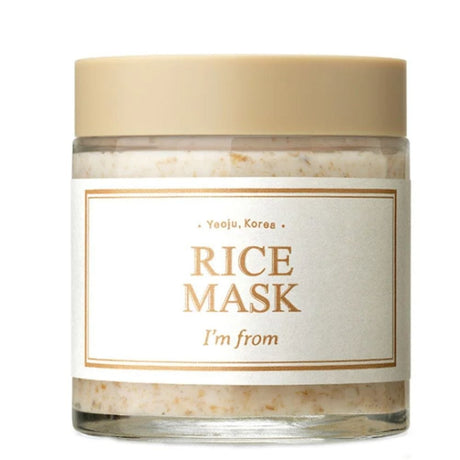


HaruHaru Wonder
HaruHaru Wonder fekete rizs hialuronsav tonik - 150 ml
Eredeti ár 4.449 FtEgységár2.966 Ft /100ml


The Face Shop
The Face Shop Rice Ceramide Moisturizing Toner - 150 ml
Eredeti ár 5.179 FtEgységár34.527 Ft /l


 5% kedvezmény
Beauty of Joseon
Beauty of Joseon szérum rizs és alfa-albutinnal Glow Deep - 30 ml
Akciós ár 4.880 Ft Eredeti ár 5.149 FtEgységár16.267 Ft /100ml


COSRX
COSRX Ultimate Nourishing Rice Overnight Spa Mask - 60 ml
Eredeti ár 5.099 FtEgységár8.498 Ft /100ml


Kész rizsalapú bőrápoló és hajápoló termékek
Azok számára, akik a professzionálisan összeállított termékek pontosságát és kényelmét részesítik előnyben, a, rizsből nyert összetevők kiemelt szerepet kapnak a koreai és japán szépségápolási termékcsaládokban. Különösen a K-Beauty fejlesztett ki rendkívül kifinomult, rizsvíz-alapú tonikokat, szérumokat, és tisztítószereket, amelyek olyan módon koncentrálják és stabilizálják a hatóanyagokat, amit az otthoni készítmények nem mindig tudnak utánozni. Böngésszen a arcápolási termékek és a hajolajok és hajspray-k választékunkban találhatja a vezető koreai márkák gondosan összeválogatott, rizsalapú termékeit.
Ez a cikk csak tájékoztató jellegű, és nem helyettesíti az orvosi tanácsot. Egészségügyi panasz, terhesség, szoptatás vagy gyógyszerszedés esetén kérje orvos vagy gyógyszerész tanácsát. Az étrend-kiegészítők nem helyettesítik a változatos étrendet.


