

A legtöbb ember tudja, hogy a fehér cukor nem tesz jót az egészségének – de vajon a nádcukor valóban jobb választás, vagy csak ugyanazon termék drágább változata? A válasz magában foglalja a nádcukor fajtái közötti lényeges különbségtételt, egy nagyon gyakori címkézési zavarral kapcsolatos figyelmeztetést, valamint annak reális értékelését, hogy hol helyezkedik el az egészségtudatos étrendben.
Mi a nádcukor és hogyan készül?
A nádcukrot a Saccharum officinarum – a cukornád növény – száraiból nyerik ki, amelyet trópusi régiókban termesztenek, többek között Brazíliában, Indiában és a Karib-térségben. A nyers levet kivonják, tisztítják és bepárolják, így nyers nádcukrot állítanak elő. Az, hogy a kapott termék táplálkozási szempontból jelentős-e, teljes mértékben attól függ, mi történik ezután: konkrétan attól, hogy a melaszt megtartják-e vagy eltávolítják. A finomítatlan nádcukor megőrzi a melaszt – a kivonási folyamat sötét, ragadós melléktermékét. Ez adja meg jellegzetes barna színét, kissé gazdagabb ízét, és a vas, kalcium, kálium, és magnézium, kis, de valódi mennyiségű ásványi anyag-tartalmát. A leginkább ásványi anyagokban gazdag, finomítatlan fajták, mint például a muscovado, több mint 20% melaszt tartalmaznak, és a cukornádcukor táplálkozási szempontból legteljesebb formájának számítanak.
A finomított nádcukor, ezzel szemben,-ből eltávolítják a melaszt, és lényegében kémiailag megegyezik a fehér répacukorral — azonos szacharóztartalom, azonos kalóriaérték, azonos anyagcsere-hatás.
Nádcukor kontra fehér cukor: Mi a valós különbség?
Mindkettő elsősorban szacharózból áll, így a különbségek valósak, de csekélyek. A finomítatlan nádcukor általában körülbelül 80% szacharózt tartalmaz, míg a fehér cukorban ez az arány körülbelül 99% — ami jelentős különbség. A megmaradt melasz miatt a glikémiás hatása valamivel alacsonyabb, és a kalóriatartalma is kissé alacsonyabb: 100 g-onként körülbelül 390 kcal, szemben a fehér cukor alig több mint 400 kcal-jával. Az ásványi anyag-tartalom, jelen van, de nem olyan nagy Enough, hogy normál fogyasztási mennyiségben jelentős táplálkozási forrásnak számítson.
Az őszinte következtetés: a finomítatlan nádcukor valóban jobb választás, mint a fehér cukor, ha édesítésre van szükség, de ez is csak édesítőszer – nem egészséges élelmiszer. Előnye abban rejlik, hogy mit nem tartalmaz: (túlzott feldolgozás,, a melaszból származó vegyületek hiánya,) nem pedig bármilyen drámai gyógyító tulajdonság.
A barna cukor körüli zavar: egy fontos figyelmeztetés
Ez talán a leghasznosabb dolog, amit meg kell értenie vásárlás előtt. A barna cukor és a nádcukor nem ugyanaz a termék — annak ellenére, hogy a polcon hasonlóan néznek ki. A kereskedelemben kapható barna cukor többsége egyszerűen finomított fehér cukor, amelyet karamellel vagy melaszszínezékkel színeztek át. Ugyanaz a szacharóztartalma, mint a fehér cukornak, ugyanaz a kalóriaértéke, és nincs érdemi ásványianyag-tartalma. Gyakran drágábban adják el, annak ellenére, hogy nincs egészségügyi előnye a fehér cukorral szemben.
Az egyetlen megbízható módszer a valódi, finomítatlan nádcukor és a színezett fehér cukor megkülönböztetésére az összetevők listájának ellenőrzése. Az igazi, finomítatlan nádcukor összetevői között csak nádcukor vagy nyers nádcukor szerepel; a barna cukor esetében gyakran szerepel a „cukor” megnevezés, amelyhez külön összetevőként hozzáadott „melasz” vagy színezék szerepel, jelezve, hogy a színt a finomítás után adták hozzá, és nem természetes módon maradt meg.
Nádcukor és cukorbetegség: Mi a kockázat?
Még a finomítatlan nádcukrot sem szabad korlátlan fogyasztásra biztonságosnak tekinteni. Alacsonyabb szacharóz-tartalma és a fehér cukorhoz képest kissé alacsonyabb glikémiás hatása jelentőségteljes, de még így is emeli a vércukorszintet. A hozzáadott cukor ajánlott napi bevitelének nem szabad meghaladnia a 90 g-ot — és ideális esetben a legtöbb ember számára ennél lényegesen kevesebbnek kell lennie. Azok számára, akik már 2-es típusú cukorbetegséggel vagy inzulinrezisztenciával küzdenek, még a finomítatlan nádcukor is különös figyelmet igényel, és ezt meg kell beszélniük egy egészségügyi szakemberrel.
A rendszeres, magas cukorfogyasztás — típusától függetlenül — továbbra is jelentős kockázati tényező a 2-es típusú cukorbetegség, a szív- és érrendszeri betegségek, valamint a metabolikus szindróma szempontjából. A fehér cukor helyett a nádcukor választásának előnye valós, de csekély; ez nem változtatja meg az általános hozzáadott cukorfogyasztás korlátozására vonatkozó alapvető ajánlást.
Megfontolásra érdemes természetes édesítőszer-alternatívák
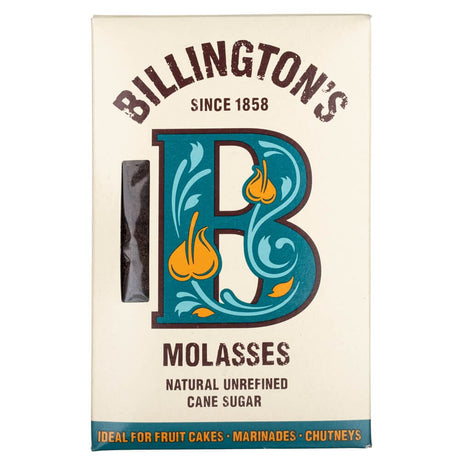
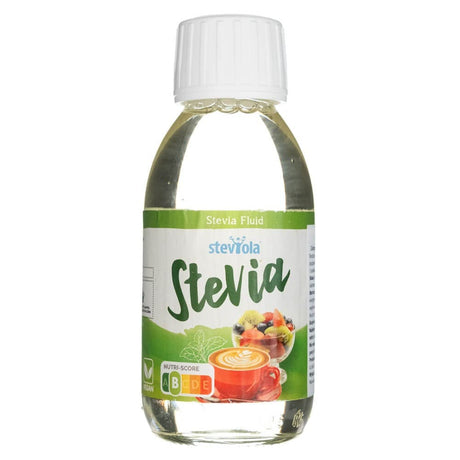
Azok számára, akik jelentősebb mértékben szeretnék csökkenteni cukorbeviteli mennyiségüket, számos alternatíva kínál jelentősen alacsonyabb kalóriatartalmat vagy csökkentett glikémiás hatást. Az eritritol egy természetes eredetű cukoralkohol, amelynek kalóriatartalma közel nulla, és nincs hatása a vércukorszintre, ezért népszerű az alacsony szénhidráttartalmú és cukorbetegek számára is megfelelő ételek elkészítésében. A nyírfából nyert xilit, alacsonyabb glikémiás indexű, mint a cukor, és jól ismert fogászati egészségügyi előnyei vannak. A sztevia egy növényi alapú édesítőszer, amelynek nincs kalóriatartalma, és grammonként lényegesen édesebb íze van, ami azt jelenti, hogy kevesebb is elegendő. A datolyaszirup és a melasz természetes édes ízt és valódi tápértékeket nyújt – különösen a datolyaszirup gazdag káliumban, magnéziumban, és antioxidánsokban.
Böngésszen a cukorhelyettesítők gyűjteményünkben, ahol természetes, alacsony glikémiás indexű édesítőszerek teljes választékát találja. Az étrend kiegészítéséhez, az egészséges ételek és táplálkozás termékcsaládunk kínál olyan termékeket, amelyek alkalmasak a kiegyensúlyozott, és tudatos táplálkozásra.




MyVita
MyVita Steviola Stevia, folyékony édesítőszer – 125 ml
Eredeti ár 2.849 FtEgységár22.792 Ft /l


 10% kedvezmény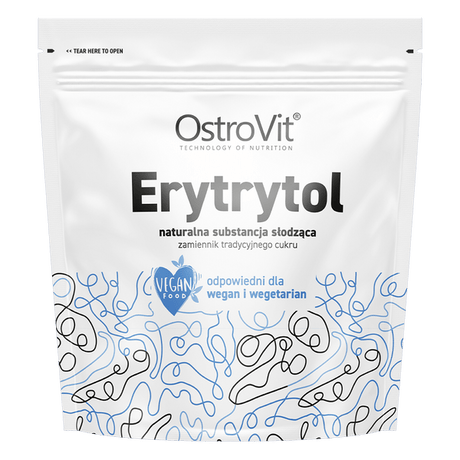
 10% kedvezmény
Ostrovit
Ostrovit Eritritol, természetes - 1000 g
Akciós ár 3.500 Ft Eredeti ár 3.900 FtEgységár3.500 Ft /kg


A nádcukor gyakorlati felhasználása
A finomítatlan nádcukor könnyen oldódik a forró italokban, és sütéskor úgy viselkedik, mint a fehér cukor — gyakorlatilag bármely receptben 1:1 arányban helyettesítheti a fehér cukrot. Kissé gazdagabb,, melaszos íze miatt különösen jól illik meleg fűszerekkel készült süteményekhez: a mézeskalács, a sárgarépás torta, a banánkenyér, és hasonló receptek profitálnak az általa adott mélységből. A tea vagy a kávé, esetében a legtöbb ember alig észlel különbséget a fehér cukorhoz képest, miután feloldódott. Azok számára, akik figyelik a kalóriabevitelt, az adagonkénti különbség kicsi, de állandó – egy jól összeállított étrendben minden apró javulás számít.
Ez a cikk csak tájékoztató jellegű, és nem helyettesíti az orvosi tanácsot. Egészségügyi panasz, terhesség, szoptatás vagy gyógyszerszedés esetén kérje orvos vagy gyógyszerész tanácsát. Az étrend-kiegészítők nem helyettesítik a változatos étrendet.


