

A hagyományos és gyógyteák a természetes egészségmegőrzés legegyszerűbb és legkönnyebben hozzáférhető eszközei közé tartoznak – nem csupán ízük miatt, hanem a növényi összetevőik által biztosított valódi élettani hatások miatt is nagyra értékelik őket. A különböző gyógynövények a szervezet különböző rendszereire hatnak, ami azt jelenti, hogy az adott igényhez megfelelő tea kiválasztása sokkal célszerűbb döntés, mint amilyennek első ránézésre tűnhet. Íme egy gyakorlati útmutató a gyógy- és hagyományos teáknak az Ön jelenlegi egészségügyi prioritásaihoz való illesztéséhez.
Tea az emésztéshez
Az emésztési kellemetlenségek – puffadás, gázok, hányinger, és nehézség étkezés után – az egyik leggyakoribb ok, amiért az emberek gyógyteához nyúlnak. Számos növénynek jól ismert hatása van az emésztőrendszerre. A borsmenta serkenti a gyomornedv és az epe termelését, gyorsítva az ételek lebontását. Emellett ellazítja a gyomor-bélrendszer simaizmait, ami segít enyhíteni a görcsöket és a kramplikat. Az édeskömény hasonlóan hat a simaizmokra, kifejezetten a rossz emésztéssel járó gázok felhalmozódását és a puffadást célozva meg. A csalán támogatja az epeáramlást és az emésztőrendszer anyagcsere-funkcióját, segítve a lassú emésztést. A kamilla csökkenti a bélgyulladást és megnyugtatja az irritált nyálkahártyákat — különösen hasznos gazdag étkezések után vagy emésztési érzékenység időszakában. A gyömbér erős prokinetikum: gyorsítja a gyomor kiürülését és csökkenti az émelygést, beleértve az utazás vagy a reggeli rosszullét okozta émelygést is.
A mindennapi emésztéstámogatáshoz, a több ilyen növényt kombináló, célra szabott emésztéstámogató teák kényelmesek és hatékonyak egyaránt. Széles választékot találhat a tea- és gyógynövénykollekciónkban.





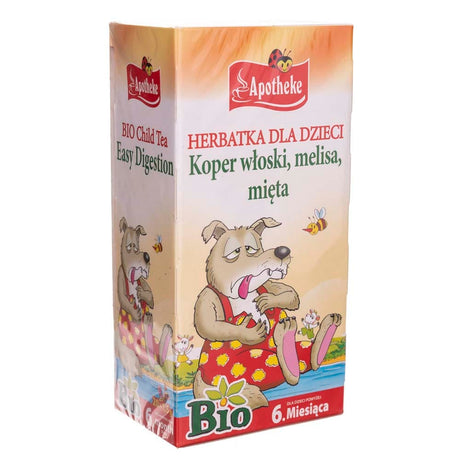


Apotheke
Apotheke Bio tea gyermekek emésztésének elősegítésére – 20 tasak
Eredeti ár 939 FtEgységár47 Ft termékenként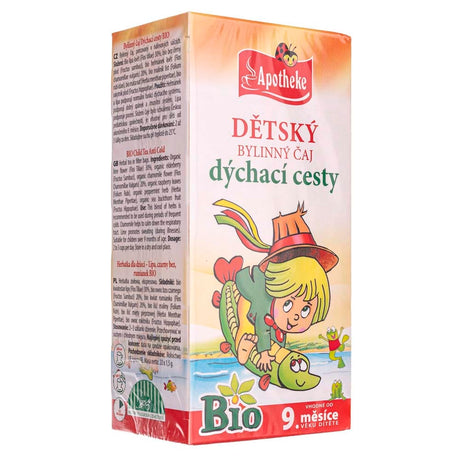


Apotheke
Apotheke Bio tea gyermekeknek Hárs, Bodzavirág, Kamilla - 20 tasak
Eredeti ár 1.059 FtEgységár53 Ft termékenként


Tea alváshoz és pihenéshez
A hagyományos tea teint tartalmaz (tea koffeint), ami miatt nem ajánlott lefekvés előtt fogyasztani. A valódi tealevelet nem tartalmazó gyógyteák, viszont, aktívan támogathatják az elalvást azáltal, hogy csökkentik az idegrendszer izgalmát és az izomfeszültséget.
A citromfű ((Melissa officinalis)) az egyik legjobban kutatott nyugtató gyógynövény. Rozmarinsavat és más vegyületeket tartalmaz, amelyek gátolják a GABA – az agy elsődleges gátló neurotranszmittere – lebontásáért felelős enzimet. Gyakorlati szempontból, csökkenti a mentális izgatottságot, a szorongást, és az ingerlékenységet, valamint megkönnyíti az elalvást. A hársvirág kiegészítő hatással bír: csökkenti az izomfeszültséget és az idegi ingerlékenységet, valamint enyhe izzasztó tulajdonságokkal rendelkezik, amelyek megfázás esetén is hasznosak. A macskagyökér ((Valeriana officinalis)) a klasszikus európai nyugtató gyógynövény, amelyet széles körben használnak a vény nélkül kapható alvási kiegészítőkben; teaként fogyasztva, hatása enyhébb és nem okoz függőséget. A komló kiegészíti a macskagyökeret és a citromfűvet, további nyugtató hatást kölcsönözve a központi idegrendszerre ható keserű vegyületek révén. A kamilla enyhe szorongáscsökkentő és izomlazító hatást fejt ki, így széles körben hasznos mind az esti kikapcsolódáshoz, mind az alkalmi stressz enyhítéséhez.
Ezeket a gyógynövényeket külön-külön vagy keverékekben is be lehet venni, amelyek közül sok kifejezetten lefekvés előtti használatra lett kifejlesztve. Szélesebb alvástámogató termékválasztékunk gyógyteákat és étrend-kiegészítő alapú alvási segédeszközöket egyaránt tartalmaz.



Apotheke
Apotheke Bio Tea for Children for Calming - 20 tasak
Eredeti ár 729 FtEgységár36 Ft termékenként


Tea az immunrendszer támogatására és megfázás ellen
A felső légúti fertőzések során a, gyógyteák két gyakorlati funkciót töltenek be: fenntartják a hidratációt (, ami támogatja a nyálkahártya immunitását és segíti a r Ecover y), valamint aktív növényi összetevőket juttatnak közvetlenül a szájba és a torokba. A hársvirág elősegíti az izzadást, ami segít a szervezetnek a méreganyagok eltávolításában, és elősegítheti a láz gyorsabb csökkenését. Gyulladáscsökkentő és nyálkahártya-védő hatása van az orrra és a torokra is. A kamilla tea a megfázás kezdetén fogyasztva gyulladáscsökkentő és nyugtató hatást fejt ki, a gőz pedig enyhíti az orrdugulást, ha ivás közben belélegzik. A gyömbér melegítő és antimikrobiális hatású, és torokfájás esetén különösen jól illik a mézhez. A bodzavirág régóta használatos a légúti nyálkahártya védelmének támogatására és a megfázás időtartamának csökkentésére. A fekete tea – különösen, ha vadcsipkebogyóval ((a C-vitamin kiemelkedő természetes forrása)) vagy egy kanál nyers mézzel dúsítják – klasszikus házi gyógymód, amely valódi TiB baktériumellenes és immunerősítő tulajdonságokkal rendelkezik. A zöld tea katechinokat tartalmaz, amelyek antioxidáns és enyhe vírusellenes hatással bírnak, emellett alacsonyabb a koffeintartalma, mint a fekete teáé.
A megfázási szezonon túlmutató folyamatos immunerősítés érdekében érdemes a szekrényben tartani az echinacea, bodzabogyó, kurkuma, és gyömbér kombinációját tartalmazó funkcionális gyógynövénykeverékeket. A teljes választékot megtekintheti a immunerősítő termékcsaládunkban.

 5% kedvezmény
Yogi Tea
Yogi Tea Immunrendszer támogatás - 17 tasak
Akciós ár 1.310 Ft Eredeti ár 1.379 FtEgységár77 Ft termékenként


Tea a testsúly szabályozásához
A gyógy- és hagyományos teák jelentősen támogathatják a testsúly-szabályozási célokat, ha kalóriamentes helyettesítőként használják őket az édesített italok helyett, és egy átgondolt étrend részeként. A zöld tea katechinokat – különösen EGCG-t – tartalmaz, amelyek segíthetnek mérsékelni a zsírfelhalmozódást és kissé növelhetik az anyagcserét. Koffeintartalma szintén támogatja az energiaellátást a fizikai aktivitás során. A Pu-erh (– egy erjesztett kínai vörös tea) – hagyományosan a zsír emésztésének javításával társul, és gyakran fogyasztják zsíros ételek után. A rooibos egy koffeinmentes dél-afrikai gyógytea, amely segíthet az étvágy szabályozásában és az oxidatív stressz csökkentésében. A borsmenta tea támogatja az emésztést és csökkenti a puffadást, ami hasznossá teszi bármilyen étrendváltás idején, amikor gyakoriak az emésztési kellemetlenségek. A pitypang- és csalántea támogatja a máj és a vese működését, amelyek fontosak a fogyás során az anyagcsere hatékonysága szempontjából. Mindezek a teák a leghatékonyabbak, ha cukor hozzáadása nélkül fogyasztják őket.
Zöld tea és matcha: Megjegyzés a minőségről
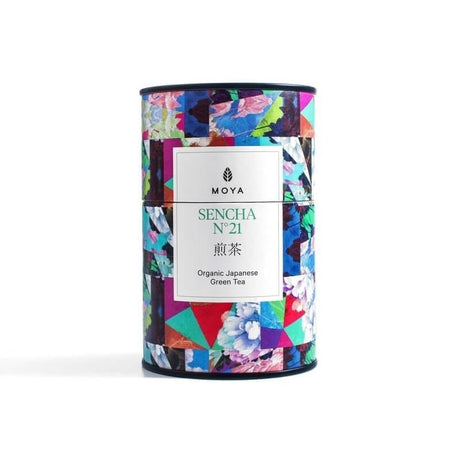
Nem minden zöld tea egyforma. A japán zöld tea hagyomány nagy hangsúlyt fektet a termesztési körülményekre, árnyékos termesztés, és a feldolgozási módszerre — olyan változókra, amelyek közvetlenül meghatározzák a katechin-tartalmat és az ízprofilot. A Sencha a legszélesebb körben fogyasztott japán zöld tea — fűszeres, enyhén édes, és kiegyensúlyozott katechin-tartalommal. A matcha egy porított, árnyékban termesztett tea, amely a teljes levelet szuszpenzióban adja át, nem pedig kivonat formájában — így adagonként jelentősen magasabb katechin- és L-teanin-tartalommal rendelkezik, és nyugodtabb, tartósabb energiahatást biztosít, mint a kávé. A Kukicha (gallytea) és a Hojicha (pörkölt zöld tea) alacsonyabb koffeintartalommal rendelkezik, és jellegzetes földes, pirított ízvilággal rendelkezik, amely délutáni és esti fogyasztásra alkalmas. A Bancha egy durvább szedésű zöld tea — enyhe és könnyen fogyasztható, alacsonyabb koffeintartalommal, egész napos fogyasztásra alkalmas.


Ez a cikk csak tájékoztató jellegű, és nem helyettesíti az orvosi tanácsot. Egészségügyi panasz, terhesség, szoptatás vagy gyógyszerszedés esetén kérje orvos vagy gyógyszerész tanácsát. Az étrend-kiegészítők nem helyettesítik a változatos étrendet.


