

Az arcápoló savak a modern bőrápolás egyik leghatásosabb kategóriájává váltak. Ezek a hatóanyagok kémiai úton hámlasztják a bőrt – felgyorsítják a sejtek megújulását, kitisztítják az eltömődött pórusokat, és javítják a bőr felületi textúráját –, olyan eredményeket hozva, amelyekkel a mechanikus bőrradírok és az alapvető hidratáló krémek egyszerűen nem tudnak versenyezni. De mivel olyan sokféle típus áll rendelkezésre, különböző koncentrációkban és különböző bőrproblémákra, fontos tudni, hol kezdjük. Ez az útmutató bemutatja az összes főbb arcbőr-savakat, elmagyarázza, hogyan válasszuk ki a bőrtípusunknak megfelelőt, és megmutatja, hogyan vezessük be őket biztonságosan a bőrápolási rutinunkba.
Hogyan hatnak az arcbőrre alkalmazott savak?
Az arcbőrre alkalmazott savak kémiai hámlasztásnak nevezett folyamaton keresztül hámlasztják a bőrt: feloldják azokat a kötéseket, amelyek az elhalt hámsejteket a felületen (vagy a pórusokban), tartják össze, lehetővé téve azok hatékonyabb leválását. Ez felgyorsítja a bőr természetes megújulási ciklusát — amely fiatal felnőtteknél általában körülbelül 28 nap, és az életkor előrehaladtával jelentősen lelassul —, így a bőr alatt lévő frissebb, simább bőr kerül elő.
A megfelelő savak rendszeres használata csökkentheti az egyenetlen pigmentáció megjelenését, minimalizálhatja a finom ráncokat és az érdes textúrát, kitisztíthatja a pórusokat, és javíthatja az arcbőr általános ragyogását. Másodlagos előnye a jobb felszívódás: a megfelelően hámlasztott bőr hatékonyabban veszi fel a hatóanyagokat — szérumokat, hidratálókat és kezeléseket —, mint a felületén elhalt sejtek felhalmozódásával rendelkező bőr.
Arcápoló savak típusai: Teljes áttekintés
AHA – alfa-hidroxi-savak
Az AHA-k vízoldható savak, amelyek elsősorban a bőr felszínén hatnak. Természetes forrásokból származnak — gyümölcs, cukornád, tej — és leginkább normál, száraz, és érett bőrtípusokra alkalmasak.
- Glikolsav — a cukornádból nyert glikolsav, az összes AHA közül a legkisebb molekulatömegű, ami lehetővé teszi, hogy a legmélyebbre hatoljon be, és a legszembetűnőbb eredményeket érje el. Hatékony a bőr textúrájának simításában, a finom ráncok csökkentésében és a hiperpigmentáció világosításában. Erőssége azt is jelenti, hogy az AHA-csoporton belül a legnagyobb irritációs potenciállal rendelkezik, ezért fontos a fokozatos bevezetése.
- Tejsav — a glikolsavnál kíméletesebb és tejből nyert anyag, amely hámlaszt, ugyanakkor nedvességmegtartóként is működik — vonzza a nedvességet a bőrbe. Száraz és érzékeny bőrtípusok is jól tolerálják, és kiváló kiindulási pontot jelent az AHA-kezelés kezdőinek.
- Mandulasav — keserű mandulából nyerik, a mandulasav molekulája nagyobb, mint a glikolsavé vagy a tejsavé, ami lassabb behatolást és kisebb irritációs kockázatot jelent. Különösen alkalmas azok számára, akik hajlamosak az érzékenységre vagy a gyulladás utáni hiperpigmentációra.
- Egyéb AHA-k — az almából származó almasav (), a citromsav, és a borkősav szintén az AHA-k közé tartoznak, és a készítményekben, gyakran glikolsavval vagy tejsavval kombinálva jelennek meg.
BHA — Béta-hidroxi-savak
A BHA-k olajban oldódnak, ami döntő előnyt jelent az AHA-kkal szemben: behatolnak a faggyúmirigy-tüszőbe (és magába a pórusba), ahol feloldják a felesleges faggyút és a sejtmaradványokat. Ezért ezek a savak a legalkalmasabbak a zsíros, pattanásos, és eltömődésre hajlamos bőr kezelésére.
- Szalicilsav — a bőrápolásban használt elsődleges BHA, a szalicilsav gyulladáscsökkentő hatású is, ami különösen hatékonnyá teszi az aktív pattanások kezelésében, nem csupán a megelőzésben. Arcápoló termékekben széles körben használják 0,5–2%-os koncentrációban. Magasabb koncentrációkat (akár 30%-ig) is használnak professzionális klinikai hámlasztások során. Az aszpirinra érzékeny személyeknek óvatosan kell használniuk a szalicilsav-tartalmú termékeket.
PHA — polihidroxi-savak
A PHA-k a hámlasztó savak legújabb generációját képviselik, és nagy molekulaméretükkel tűnnek ki. Lassabban hámlasztanak, és nem hatolnak olyan mélyre, mint az AHA-k vagy a BHA-k, ami jelentősen csökkenti az irritáció vagy az érzékenység kialakulásának esélyét. A PHA-k a megfelelő kiindulási pont azok számára, akiknek valóban érzékeny, reakcióra hajlamos, vagy rosaceára hajlamos bőrük van.
- Glükonolakton — a bőrápolásban leggyakrabban használt PHA, a glükonolakton gyengéden hámlaszt, miközben antioxidáns védelmet és nedvességmegtartást is biztosít.
- Laktózsav — a tejcukorból (laktóz) nyert PHA, amely a gyengéd hámlasztás mellett különösen erős hidratáló és antioxidáns tulajdonságokkal rendelkezik.
- Glucoheptonolakton — a glükonolaktonhoz hasonló profil; enyhe hámlasztás, a bőrbarrier-t támogató tulajdonságokkal.
Hialuronsav
Neve ellenére, a hialuronsav nem hámlasztó sav — hanem nedvességmegtartó anyag, ami azt jelenti, hogy a környezetből és a bőr mélyebb rétegeiből vizet von a felszínre, fenntartva a bőr hidratáltságát és feszességét. Természetesen előfordul a szervezetben, és kivételesen jól tolerálható. A bőrápolásban, különböző molekulatömegű formákban fordul elő: a nagy molekulatömegű HA a felszínen marad, és azonnali feszesítő hatást biztosít; az alacsony molekulatömegű HA mélyebbre hatol, és tartósabb hidratáló hatást fejt ki.
Azelainsav
Az azelainsav egyedülálló helyet foglal el a bőrápolásban: nem pusztán hámlasztó sav, hanem multifunkcionális hatóanyag, amely antibakteriális, gyulladáscsökkentő és bőrfényesítő tulajdonságokkal rendelkezik. Gátolja a melanin termelésében részt vevő tirozináz enzimet, így hatékony a hiperpigmentáció és az akne utáni foltok ellen. Ugyanakkor gyulladáscsökkentő hatása miatt hasznos a rosaceás és érzékeny bőr kezelésében is – ez egy ritka kombináció. Az azelainsavat 5–10%-os koncentrációban használják a vény nélkül kapható termékekben, és akár 20%-os koncentrációban a vényköteles készítményekben.
Ferulinsav
A ferulinsav elsősorban antioxidáns, nem pedig hámlasztó. Leggyakrabban C- és E-vitaminnal együtt használják készítményekben, ahol fokozza és stabilizálja ezen antioxidánsok hatását. Segít megvédeni a bőrt az UV-sugárzás által kiváltott szabadgyök-károsodástól, és az öregedésgátló szérumok alapvető összetevője.


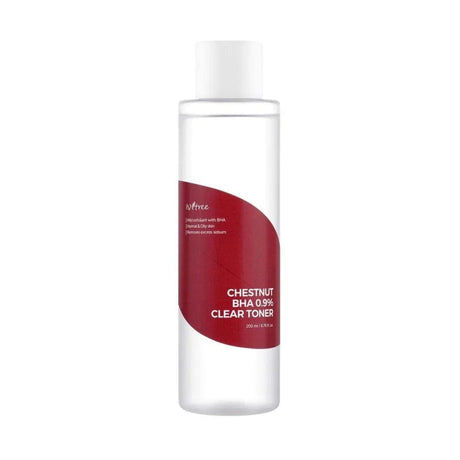
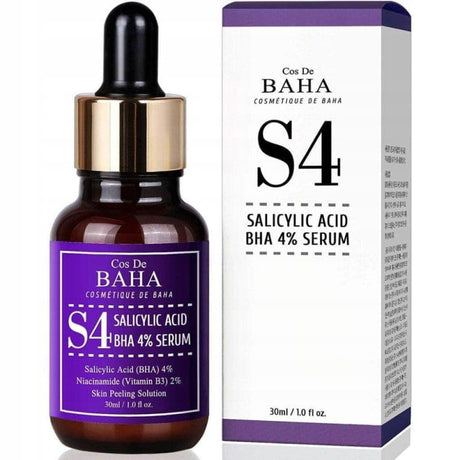
Cos De BAHA
Cos De BAHA S4 szalicilsav BHA 4% szérum - 30 ml
Eredeti ár 4.419 FtEgységár147.300 Ft /l


Some by Mi
Some by Mi AHA-BHA-PHA 30 napos csodaszerum - 50 ml
Eredeti ár 6.139 FtEgységár122.780 Ft /l


Hogyan válasszuk ki a bőrtípusunknak megfelelő arcsavakat
Száraz és érzékeny bőr
Elsősorban a tejsavat válasszuk (AHA) a gyengéd hámlasztáshoz és a nedvességmegtartáshoz, vagy egy PHA-t, például glükonolakton, ha még a tejsav is túl stimuláló. A hialuronsav elengedhetetlen minden száraz bőrre szánt rutinban — használja függetlenül attól, hogy melyik hámlasztó savat választja. Az azelainsav is jól tolerálható, és világosító hatást fejt ki anélkül, hogy a nagyobb hatékonyságú AHA-k bőrtisztító hatását gyakorolná.
Zsíros és aknéra hajlamos bőr
A szalicilsav (BHA) egyértelműen az első választás. Olajban oldódó tulajdonsága lehetővé teszi, hogy a pórusok belsejében hatva, feloldja a pattanásokat okozó faggyút és elhalt hámsejteket. Kezdje alacsony koncentrációval (0,5–1%), hogy felmérje a bőr tűrőképességét, mielőtt 2%-ra váltana. Az azelainsav kiváló kiegészítő vagy alternatíva, különösen azok számára, akik aktív eltömődés mellett gyulladás utáni hiperpigmentációval is küzdenek.
Kombinált bőr
A célzott megközelítés jól működik: alkalmazzon BHA-t a T-zónára, ahol a zsírosság és az eltömődés koncentrálódik, és AHA-t ((tejsav vagy mandulasav)) az arc szárazabb területeire. A mérsékelt koncentrációjú AHA-t és BHA-t egyaránt tartalmazó többsavú termékek szintén praktikus megoldást jelentenek a kombinált bőrtípusok számára.
Érett és öregedő bőr
A glikolsav ((AHA)) biztosítja a legkifejezettebb simító és felületmegújító hatást, és az idő múlásával a leghatékonyabb sav a finom ráncok csökkentésében és a bőr feszességének javításában. A ferulinsav – C- és E-vitaminnal kombinálva – erős antioxidáns védelmet nyújt az öregedést felgyorsító környezeti káros hatások ellen. Átfogó öregedésgátló kezelés érdekében fontolja meg a glikolsavas hámlasztás és a ferulinsav-C-vitamin szérum felváltva történő alkalmazását.
Érzékeny és reakcióra hajlamos bőr
A PHA-k jelentik a megfelelő kiindulási pontot. Ha a PHA több hét után sem okoz reakciót, fontolja meg az alacsony koncentrációjú tejsav bevezetését (5%). Az azelainsav is jól alkalmas a valóban érzékeny bőrre. Kerülje a glikolsavat és a magas koncentrációjú BHA-kat, amíg a bőrbarrier meg nem erősödik. A arcápoló savak, olajok és szérumok kollekciónk minden érzékenységi szintre kínál termékeket.
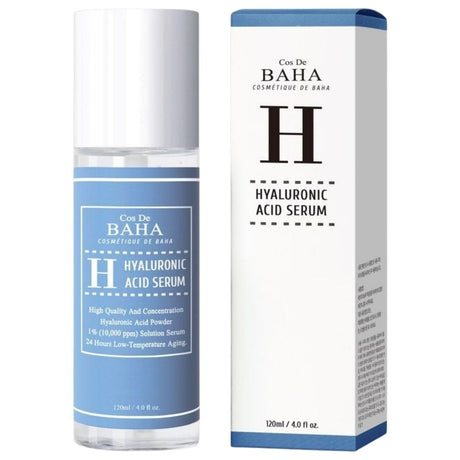
 10% kedvezmény
Cos De BAHA
Cos De BAHA H hialuronsav szérum – 120 ml
Akciós ár 4.490 Ft Eredeti ár 4.989 FtEgységár37.417 Ft /l

Cos De BAHA
Cos De BAHA NZ Niacinamid 20 Cink-PCA 4 szérum - 30 ml
Eredeti ár 4.989 FtEgységár16.630 Ft /100ml


Hogyan lehet biztonságosan bevezetni az arcbőrre szánt savakat: lépésről lépésre
A leggyakoribb hiba az arcbőrre szánt savak használatával kapcsolatban az, hogy túl gyorsan haladunk. A bőrnek időre van szüksége az alkalmazkodáshoz, és a fokozatos bevezetés jelentősen csökkenti az irritáció, a bőrbarrier megzavarása, vagy a visszatérő érzékenység kockázatát.
- Kezdje alacsony koncentrációval. Kezdje a legkisebb elérhető koncentrációval – a glikolsav esetében, ez 5–7%-ot jelent; a szalicilsav esetében, 0,5–1%-ot; az AHA/BHA kombinációk esetében, keressen kezdőknek megfelelő készítményeket.
- Kezdetben hetente egyszer használja. Hetente egy este vigye fel a választott savat. Figyelje meg, hogyan néz ki és milyen érzés a bőre a következő 48 órában.
- Fokozatosan növelje a gyakoriságot. Ha 2–3 hét után nem jelentkezik jelentős bőrpír, hámlás, vagy irritáció, növelje a gyakoriságot heti kétszeri alkalmazásra. A legtöbb tapasztalt felhasználó a fenntartás érdekében heti 2–3 alkalommal alkalmazza a terméket.
- Először tisztítsa meg a bőrt. A savakat mindig alaposan megtisztított bőrre vigye fel, amelyen nincs smink, SPF vagy más termék. A maradék réteg akadályozhatja a termék egyenletes behatolását.
- Vékonyan és egyenletesen vigye fel. A kis, egyenletes felvitel hatékonyabb és kevésbé irritáló, mint a vastag réteg. Kerülje a közvetlen szemkörnyéket, az orrlyukakat, és az ajkakat.
- Ezután használjon hidratáló krémet. Miután a sav felszívódott (általában 10–20 perc múlva), vigyen fel hidratáló krémet vagy hidratáló szérumot. A hidratáló krém alá felvitt hialuronsav-szérum kiválóan illeszkedik bármely hámlasztó savhoz.
- Minden reggel kivétel nélkül alkalmazzon SPF-t. A hámlasztó savak növelik a bőr UV-sugárzás iránti érzékenységét – a felszínre kerülő új sejtek sebezhetőbbek, mint a eltávolított régiek. Használjon széles spektrumú, SPF 30-as vagy annál magasabb fényvédőt minden reggel, még felhős időben is. Böngésszen a napvédő kollekciónkban a megfelelő napi SPF-termékekért.
Kerülendő gyakori hibák
Az arcbőrre alkalmazott savakkal kapcsolatos tévedések megértése ugyanolyan fontos, mint azok helyes használatának ismerete. A leggyakoribb hibák a következők: túl gyakori savas kezelés, mielőtt a bőr hozzászokott volna; több erős hatóanyag, például AHA és retinol) kombinálása egy alkalmazás során; az SPF kihagyása; a bőrtípusnak nem megfelelő sav választása; túl sok termék felvitele; valamint a hámlasztás utáni hidratálás elhanyagolása. Bármilyen tartós bőrpír, égő érzés, vagy túlzott hámlás jelzi, hogy csökkenteni kell a használat gyakoriságát, vagy át kell váltani egy enyhébb savra. Ha kétségei vannak, forduljon bőrgyógyászhoz Derma — különösen, ha rosaceája, ekcémája, vagy más, már meglévő bőrbetegsége van. Ha szélesebb választékot keres aktív bőrápoló termékekből, fedezze fel az https://medpak.shop/collections/facial-cosmetics weboldalon található arcápoló kozmetikumok kollekciónkat.
Ez a cikk csak tájékoztató jellegű, és nem helyettesíti az orvosi tanácsot. Egészségügyi panasz, terhesség, szoptatás vagy gyógyszerszedés esetén kérje orvos vagy gyógyszerész tanácsát. Az étrend-kiegészítők nem helyettesítik a változatos étrendet.


