

Mi teszi a fekete ribizlit táplálkozási szempontból olyan értékessé?
Kevés, széles körben elérhető gyümölcs ér fel a fekete ribizli 100 grammonkénti tápanyag-sűrűségéhez. A legfontosabb összetevők a következők:
- C-vitamin — a fekete ribizli 100 g friss bogyónként körülbelül 180 mg C-vitamint tartalmaz, ami az egyik leggazdagabb növényi forrásává teszi — többszörösen meghaladja a narancs tartalmát. Egy pohár friss fekete ribizli lé a napi C-vitamin-beviteli referenciaérték több mint 100%-át fedezheti, ami hozzájárul a normális immunfunkcióhoz, a kollagén szintézishez, és a sejtek védelméhez az oxidatív stressz ellen.
- Antocianinok — a bogyó mély lila-fekete színéért felelős pigmentek erős antioxidánsok, jól dokumentált gyulladáscsökkentő tulajdonságokkal. A fekete ribizli az antocianinok, — különösen a delfinidin és a cianidin glikozidok — leggazdagabb gyümölcsforrásai közé tartozik.
- Gamma-linolénsav (GLA) — különösen a fekete ribizli magolajban található, GLA egy gyulladáscsökkentő tulajdonságokkal rendelkező omega-6 zsírsav, amely kevésbé jellemző a tipikus európai étrendben.
- Kálium — hozzájárul a normális izomfunkcióhoz és a normális vérnyomás fenntartásához.
- E-vitamin — zsíroldható antioxidánsként szinergikusan hat a C-vitaminnal.
- Étrend-rost — a teljes bogyókban jelentős mennyiségben található; az elkészítési módszertől függően a gyümölcslében csökken a mennyisége.
A fekete ribizli lé lehetséges egészségügyi előnyei
A fekete ribizli egészségügyi előnyeire vonatkozó bizonyítékok a legtöbb gyümölcsalapú állításhoz képest valóban szilárdak. A következő területek a legjobban alátámasztottak.
Az immunrendszer támogatása
A rendkívül magas C-vitamin-tartalom a fekete ribizli lé leginkább klinikailag releváns táplálkozási jellemzője. A C-vitamin hozzájárul az immunrendszer normális működéséhez és támogatja a szervezet természetes antioxidáns védekező képességét. A fekete ribizliben található antocianinok emellett szabályozhatják az immunválaszokat, bár a kutatások ezen a területen még folyamatban vannak. Az egész éven át tartó, a bogyós gyümölcsök szezonjától független immunrendszer-támogatáshoz, a immunrendszer-kiegészítők kollekciónk számos, tudományos bizonyítékokkal alátámasztott lehetőséget kínál.
Antioxidáns és gyulladáscsökkentő tulajdonságok
A fekete ribizli antocianin-tartalma az egyik leggazdagabb antioxidáns-forrásnak számít. Az antocianinban gazdag élelmiszerek rendszeres fogyasztását megfigyeléses kutatások az oxidatív stressz és a gyulladás csökkenésének mutatóival hozták összefüggésbe. Ugyanezek a vegyületek – a kvercetin, a miricetin, és a fekete ribizli antocianinjai – különböző formákban megtalálhatók a kiegészítők világában, és a táplálkozástudományban a leginkább kutatott polifenolok közé tartoznak. Böngésszen antioxidáns-kollekciónkban a szabványosított termékekért.
Kardiovaszkuláris támogatás
A fekete ribizli antocianinjai több mechanizmuson keresztül is hozzájárulhatnak a kardiovaszkuláris egészséghez: támogatják az egészséges vérnyomást, hozzájárulnak a normális endoteliális működéshez, és potenciálisan befolyásolják a lipidanyagcserét. A bogyós gyümölcsökben található antocianinokkal kapcsolatos általános kutatások (– beleértve a fekete ribizlit is) – ígéretes összefüggéseket mutatnak, bár az embereken végzett nagyszabású klinikai vizsgálatok még mindig korlátozottak. Mint mindig, az étrendi források a leghatékonyabbak egy átfogóbb, egészséges táplálkozási szokás részeként.
Szem egészség
A fekete ribizli gazdag forrása az A-vitamin prekurzoroknak és az antocianinoknak, amelyek mindkettőjének dokumentált szerepe van a látásfunkcióban. Különösen az antocianinokat tanulmányozták a normális retinális funkció támogatásában betöltött szerepük miatt, és a fekete ribizli kivonatot Japánban engedélyezett összetevőként használják a látásfáradtságra irányuló szemegészségügyi termékekben. A bizonyítékok biztatóak, bár további kutatásokra van szükség.
Húgyúti egészség
A fekete ribizli lé enyhe természetes vizelethajtó tulajdonságokkal rendelkezik, és, az áfonyához hasonlóan, olyan vegyületeket tartalmaz, amelyek támogathatják az egészséges húgyúti környezetet. Nem szabad húgyúti fertőzések kezelésére használni, de a megfelelő folyadékbevitel részeként hozzájárulhat az általános húgyúti egészséghez.
Hogyan készítsünk feketeribizli-levet otthon (Nincs szükség gyümölcscentrifugára)
Ez a hagyományos módszer – csupán egy serpenyőre és egy finom szitára vagy muszlin kendőre van szükség, és gyönyörű ízű, kiváló színmegtartású levet eredményez.
Hozzávalók
- 2 kg friss fekete ribizli
- 1 liter víz
- Cukor ízlés szerint (opcionális — lásd az alábbi megjegyzéseket)
Elkészítés
- Alaposan öblítsük le a fekete ribizlit hideg vízben, és távolítsuk el az esetleges szárakat. Ebben a szakaszban nem kell túlzottan odafigyelni a kis szártöredékekre.
- Helyezze a bogyókat egy nagy serpenyőbe, és öntse fel vízzel. Forraljuk fel, majd vegyük le a hőt, és lassú tűzön főzzük 25–30 percig, amíg a bogyók teljesen megpuhulnak, és kiadják a levüket és a színüket.
- Vegyük le a tűzről. Egy fakanállal vagy burgonyatörővel, nyomjuk a bogyókat erősen a fazék falához, hogy a lehető legtöbb levet kinyerjük belőlük.
- Öntsük át a keveréket egy finomszemű szitán vagy egy muszlin kendőn keresztül egy tiszta tálba. A maximális hozam érdekében, hagyjuk átcsöpögni nyomás nélkül (a nyomás zavarossá teszi a levet). Ha nagyobb hozamot szeretne, de a lé zavarosabb lesz, nyomja meg finoman.
- Ha cukrot ad hozzá, öntse vissza a leszűrt levet a serpenyőbe, ahol a cukor feloldódott, forralja fel rövid ideig, majd öntse még melegen sterilizált palackokba vagy üvegekbe. Azonnal zárja le.
Fekete ribizli lé gőzös facsaróval
A gőzös facsaró (sokownik parowy) tisztább és nagyobb hozamú levet eredményez, és ez a leggyakrabban használt módszer a nagy léptékű házi előállításhoz Közép- és Észak-Európában.
Hozzávalók
- 2 kg fekete ribizli, megmosva és kicsumázva
- Víz a gyümölcscentrifuga
- Cukor ízlés szerint (opcionális)
Elkészítés
- Töltse fel a gőzös gyümölcscentrifuga alsó kamráját vízzel a gyártó utasításainak megfelelően. Helyezze a gyümölcsöt a felső kosárba.
- Melegítse közepes-magas hőfokon. Ahogy a gőz felépül, a lé elkezd gyűlni a középső kamrában. A lé nagy része 45–60 percen belül kivonódik.
- A mellékelt cső segítségével csapolja le a levet egy sterilizált edénybe. Ha cukrot ad hozzá, keverje bele a kívánt mennyiséget, amíg a lé még forró.
- Öntse sterilizált palackokba vagy üvegekbe, és azonnal zárja le.
Cukor: mennyi?
A cukor mennyisége teljes mértékben személyes ízlés és a felhasználás célja kérdése. Referenciaként:
- Alacsony cukortartalom (megőrzi a savanykás ízt) — 100–150 g/liter gyümölcslé
- Közepes (kiegyensúlyozott) — 200–250 g/liter
- Édesebb (hagyományos szirupos stílus) — 300–350 g/liter
A fekete ribizli intenzív, fanyar, és enyhén szorító természetes ízű — részben ez teszi olyan érdekesé. Ha a cukortartalom minimalizálására törekszik,, a cukrozott gyümölcslé vízzel történő hígítása tálaláskor praktikus megoldás, amely jobban megőrzi a nyers gyümölcslé egészségügyi tulajdonságait.
Pasztőrözés és tárolás
A gyümölcslé tárolásának módja határozza meg mind az eltarthatóságát, mind azt, hogy az idő múlásával mennyi tápérték marad meg benne.
- Hűtőszekrény (friss, pasztőrözetlen) — 5–7 nap. A legjobb tápérték-megőrzés, a legrövidebb eltarthatóság.
- Pasztőrözött (hőkezelt) — 6–12 hónap szobahőmérsékleten, hűvös, sötét helyen. Pasztőrözéshez: töltsük meg teljesen a lezárt, sterilizált palackokat, tegyük egy nagy edénybe vízbe, melegítsük 80–85 °C-ra, és tartsuk ott 20 percig. Hagyjuk a vízben kihűlni. Ne feledje, hogy a hő hatására a C-vitamin egy része lebomlik — a pasztőrözött gyümölcslé azonban meglehetősen jól megőrzi antocianin-tartalmát.
- Fagyasztva — akár 12 hónapig, jó ízzel és antocianin-megtartással. Használat előtt hagyja fokozatosan felolvadni a hűtőben.
Mennyit lehet biztonságosan fogyasztani?
A feketeribizli-gyümölcslé tápláló, de a sűrített gyümölcslevek kalória- és savtartalma magas. Ésszerű napi mennyiségek:
- Felnőttek — 250–500 ml naponta (körülbelül 1–2 pohár), ideális esetben hígítva
- Gyerekek — 125–250 ml naponta, hígítva és cukor hozzáadása nélkül a kisgyermekek számára
A rendszeres nagy mennyiségű fogyasztás hozzájárulhat a táplálkozás túlzott cukortartalmához, és, a magas szerves savtartalom miatt, irritálhatja a gyomornyálkahártyát az arra hajlamos TiB egyéneknél. Azok, akiknek gyomorfekély, reflux, vagy vesebetegség (előfordult a kórtörténetében, és akiknél a magas káliumbevitel aggodalomra adhat okot), mérsékelten fogyasszák a fekete ribizli levét, és bizonytalanság esetén konzultáljanak orvosukkal.
A fekete ribizli a konyhán túl: étrend-kiegészítők
A friss fekete ribizli szezonális gyümölcs, és a házi gyümölcslé – bár kiváló – nem mindig praktikus egész évben. A fekete ribizli magolaj, amely étrend-kiegészítőként kapható, koncentrált forrása a GLA-nak (, a gamma-linolénsavnak), függetlenül az évszaktól. Ugyanakkor a standardizált C-vitamin-kiegészítők – különösen azok, amelyek bioflavonoidokkal vannak kombinálva, amelyek tükrözik a teljes bogyó flavonoidokban gazdag környezetét – egész évben állandó alternatívát kínálnak a friss fekete ribizli immunrendszer-támogató hatásának.


Now Foods
Now Foods Fekete ribizli olaj 500 mg - 100 lágy kapszula
Eredeti ár 4.889 FtEgységár49 Ft termékenként


Now Foods
Now Foods C-1000-vitamin csipkebogyóval és bioflavonoidokkal – 100 tabletta
Eredeti ár 3.989 FtEgységár40 Ft termékenként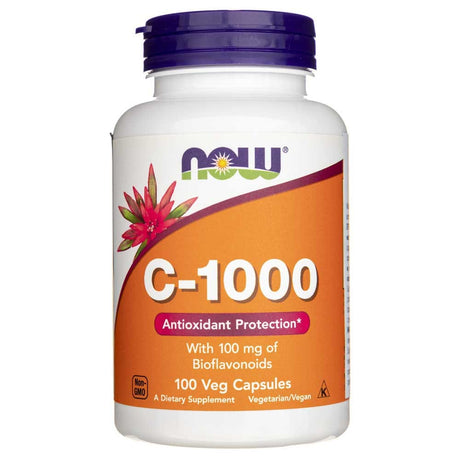


Now Foods
Now Foods C-vitamin-1000 bioflavonoidokkal - 100 növényi kapszula
Eredeti ár 3.989 FtEgységár40 Ft termékenként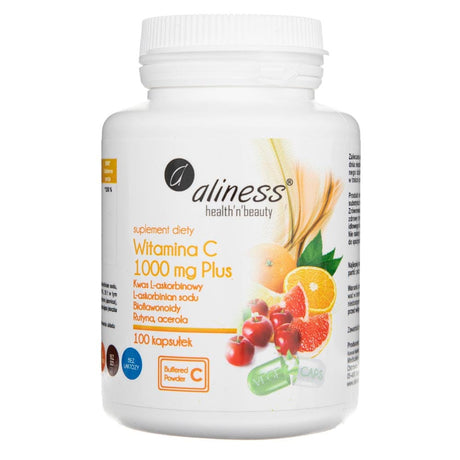


Aliness
Aliness C-vitamin 1000 mg - 100 növényi kapszula
Eredeti ár 4.569 FtEgységár46 Ft termékenként


Azok számára, akiket kifejezetten a fekete ribizli antocianin- és polifenol-tartalma – azaz antioxidáns tulajdonságai – érdekelnek, a kvercetin és a resveratrol kiegészítők jelentik a leginkább kutatott egyedi polifenolokat ugyanabból a növényi vegyületcsoportból. Fedezze fel teljes antioxidáns-kollekciónkat, hogy megtalálja az Ön igényeinek leginkább megfelelő terméket.


Now Foods
Now Foods Kvercetin bromelainnal - 120 növényi kapszula
Eredeti ár 12.219 FtEgységár102 Ft termékenként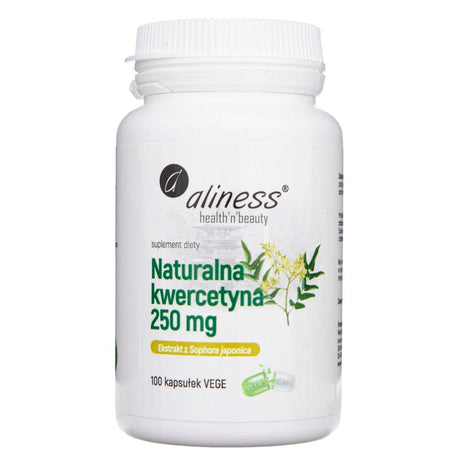


Aliness
Aliness Természetes kvercetin 250 mg - 100 vegetáriánus kapszula
Eredeti ár 6.439 FtEgységár64 Ft termékenként


Swanson
Swanson Resveratrol komplex 180 mg - 60 kapszula
Eredeti ár 3.789 FtEgységár63 Ft termékenként


Ez a cikk csak tájékoztató jellegű, és nem helyettesíti az orvosi tanácsot. Egészségügyi panasz, terhesség, szoptatás vagy gyógyszerszedés esetén kérje orvos vagy gyógyszerész tanácsát. Az étrend-kiegészítők nem helyettesítik a változatos étrendet.


