
MaryRuth's
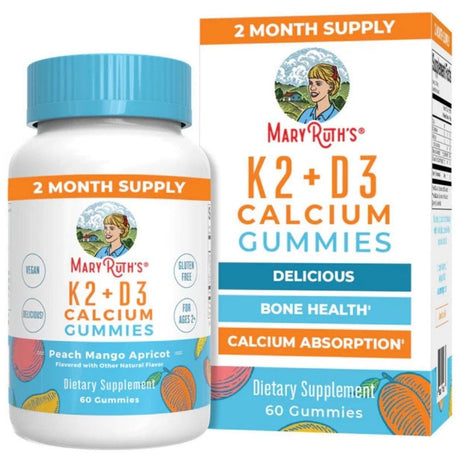
MaryRuth K2 + D3 kalcium, őszibarack-mangó-sárgabarack - 60 gumicukorka
Eredeti ár 7.829 FtEgységár130 Ft termékenként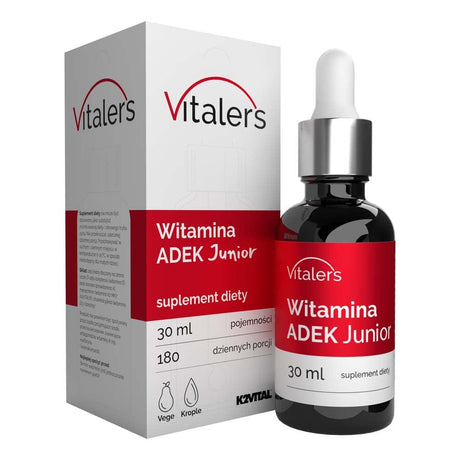
 25% kedvezmény
Vitaler's
Vitaler's Vitamin ADEK Junior, cseppek – 30 ml
Akciós ár 2.893 Ft Eredeti ár 3.859 FtEgységár964 Ft /10ml

MaryRuth's
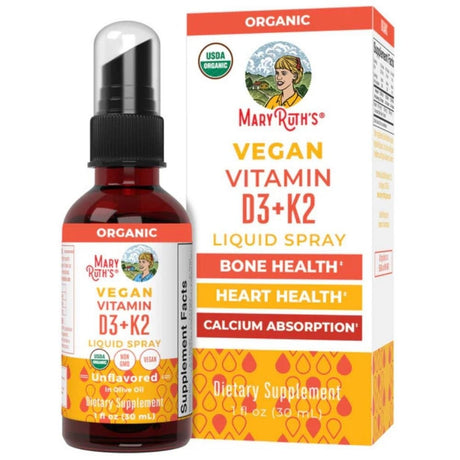
MaryRuth's Vitamin D3+K2 (MK7) Spray – 30 ml
Eredeti ár 8.729 FtEgységár29.097 Ft /100ml Elfogyott
Pure Lab
Pure Lab K2mk7 + D3 + kalcium vitaminok – 130 kapszula
Eredeti ár 3.499 FtEgységár27 Ft termékenként

Trace Minerals Research
Trace Minerals Ionic D3 + K2 – 59 ml
Eredeti ár 15.099 FtEgységár301.980 Ft /l 10% kedvezmény
Aliness
Liposol Liposzomális K2-vitamin (Vita MK7) 100 NE – 250 ml
Akciós ár 5.785 Ft Eredeti ár 6.429 FtEgységár23.140 Ft /l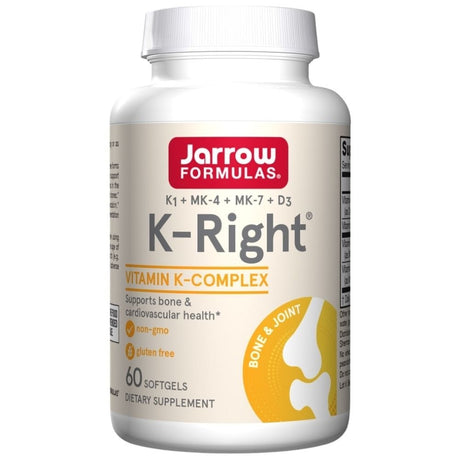
Jarrow Formulas
Jarrow Formulas K-Right, K + D3 vitaminok 2000 NE - 60 kapszula
Eredeti ár 17.709 FtEgységár295 Ft termékenként

Doctor's Best
Doctor's Best Természetes K2-vitamin MK-7 MenaQ7-tel 45 mcg – 60 kapszula
Eredeti ár 5.259 FtEgységár88 Ft termékenként


 Elfogyott
Thorne Research
Thorne Research K2-vitamin folyékony cseppek – 30 ml
Eredeti ár 39.799 FtEgységár132.663 Ft /100ml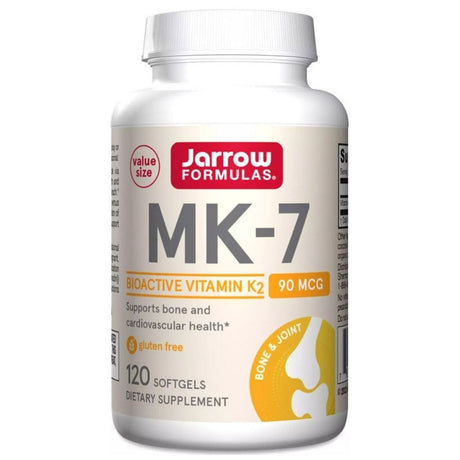
Jarrow Formulas
Jarrow Formulas K2 MK-7 vitamin 90 mcg - 120 kapszula
Eredeti ár 16.549 FtEgységár138 Ft termékenként
 15% kedvezmény
Vitaler's
Vitaler's D3-vitamin 2000 NE, K2-MK7 75 mcg, csepp – 30 ml
Akciós ár 2.900 Ft Eredeti ár 3.400 FtEgységár967 Ft /10ml

Aura Herbals
Aura Herbals D3-vitamin 2000 NE + K2 + kurkuma-kivonat cseppek – 30 ml
Eredeti ár 5.099 FtEgységár169.967 Ft /l


K-vitamin: a véralvadáshoz és más folyamatokhoz elengedhetetlen tápanyag
A K-vitamin jelentősége messze túlmutat a véralvadásban betöltött jól ismert szerepén. Ez az esszenciális tápanyag a test különböző szöveteire hatással van , és fontos szerepet játszik az általános egészség megőrzésében. Jelentőségének ellenére , a K-vitaminról a közvélemény tudása továbbra is korlátozott. Vizsgáljuk meg, hogyan hat a K-vitamin az emberi testre, és kik lehetnek veszélyeztetettek a hiányában.
Jellemzők , Tulajdonságok , és felhasználás
A K-vitamin egy csoport szerkezetileg hasonló, zsírban oldódó vegyületet jelöl. Két fő formája van:
- K1-vitamin ( fillokinon ) : Növényi forrásokból származik
- K2-vitamin ( menakinon ) : Állati eredetű termékekben és erjesztett élelmiszerekben található
A szervezet általában csak a bevitt K-vitamin 30-40%-át tartja meg. Kis mennyiségek keringnek a vérben és eloszlanak a szervezetben ( beleértve az agyat , a szívet , a hasnyálmirigyet , és csontok ) , a máj az elsődleges tárolóhely , bár csak korlátozott mennyiségben.
A K-vitamin étrendi forrásai
A K-vitamin számos élelmiszerben megtalálható ,, többek között:
- Növényi olajok ( napraforgó , repce )
- Zöld zöldségek ( spenót , spárga , brokkoli , kelbimbó )
- Diófélék
- Gyümölcsök ( kivi , szeder , áfonya , gránátalma , szőlő )
- Gabonafélék
- Tejtermékek ( sajt , tej , kefir )
- Tojás
- Hús ( különösen marhahús máj , baromfi )
- Hal
A K-vitamin hatása a szervezetre
Kutatások kimutatták, hogy a K-vitamin számos fiziológiai folyamatban elengedhetetlen:
- Az erek és a csontszövet anyagcseréje
- Sejtnövekedés és apoptózis
- Az érszűkület megelőzése
- A lágy szövetek meszesedése
- A kalciumegyensúly fenntartása
- A sejtek adhéziós folyamata
A K-vitamin különösen fontos a szív- és érrendszeri betegségek kockázatának kitett személyek számára.
A K-vitamin fontossága újszülöttek , csecsemők , és gyermekek
számára A K-vitamin kritikus szerepet játszik az újszülöttek védelmében a hiány okozta vérzési rendellenességekkel szemben. Ezek a rendellenességek gyakran érintik a három hónaposnál fiatalabb csecsemőket, és két szakaszban jelentkeznek:
- A kezdeti szakasz gyorsan jelentkezik , általában 3-5 nappal a születés után , és olyan tünetekkel jár, mint a gyomor-bél traktus , nyálkahártyák , köldök régió , és bőr vérzése.
- A későbbi szakasz ( 2-12 hetes korban ) elsősorban koponyaűri vérzéshez vezet ,, amelynek magas a halálozási aránya.
Az életveszélyes vérzés korai tünetei lehetnek:
- Krónikus hasmenés és hányás
- Hosszan tartó sárgaság
- Elégtelen ( vagy hiányzó ) súlygyarapodás
- Enyhe/közepes vérzés ( a köldökből , nyálkahártyák , emésztőrendszer )
A K-vitamin időben történő pótlása kiküszöbölheti ezeknek a állapotoknak a kockázatát. Idősebb gyermekek és serdülők esetében , A K-vitamin ugyanazokat a funkciókat tölti be, mint a felnőtteknél, de a gyors növekedés és fejlődés miatt még fontosabb.
K-vitamin-hiány: tünetek és kockázati tényezők
A K-vitamin-hiány súlyos egészségügyi következményekkel járhat , beleértve a csontritkulás , az érelmeszesedés , és a neurodegeneratív betegségek kockázatának növekedését. A gyakori tünetek a következők:
- Nyálkahártyák vérzése
- Hosszabb véralvadási idő
- Zúzódásos hajlam TiB
- Hematuria
- Hosszabb sebgyógyulási idő
A K-vitamin-hiány magasabb kockázatának kitett személyek
Bár a K-vitamin-hiány bárkit érinthet ,, bizonyos tényezők növelik a kockázatot:
- A felszívódást befolyásoló gyomor-bélrendszeri rendellenességek ( Crohn-betegségbetegség , cöliákia , krónikus hasnyálmirigy-gyulladás )
- A K-vitamin felszívódását gátló gyógyszerek ( savkötők , vérhígítók , szalicilsav-származékok , koleszterinszintcsökkentő szerek )
- Hosszú-távú inzulinkezelés TiB
- Alultápláltság
Ellenjavallatok és óvintézkedések
Bár a K-vitamin általában biztonságosnak tekinthető ,, bizonyos gyógyszerekkel kedvezőtlen kölcsönhatásba léphet , különösen az antikoagulánsokkal:
- Warfarin , tioklomarol
- Tromboembóliás rendellenességek megelőzésére és kezelésére alkalmazott szerek ( pl. , fenprokumon , acenokumarol )
Óvatosságot tanácsos tanúsítani a K-vitamin-kiegészítők alkalmazásakor örökletes hipoprotrombinémiában , veseelégtelenségben , heparinok okozta túlzott antikoagulációban , vagy a K-vitaminra való túlérzékenység esetén.
A K-vitamin fontosságának megértése és a megfelelő szint fenntartása étrenddel vagy kiegészítőkkel jelentősen hozzájárulhat az általános egészséghez és jólléthez, , különösen a véralvadás, , a csontok egészsége és , a szív- és érrendszer működése tekintetében.